Guide: Why Reputation Management Is Important in 2025
15 novembre 2025

In 2025, just one online review can reshape a business’s future within hours. The stakes are higher than ever, as digital conversations spread rapidly and influence public perception instantly.
Understanding why reputation management is important empowers both organizations and individuals to protect and grow their brand in this fast-paced environment. This guide will show you how to monitor, influence, and strengthen your reputation using proven strategies.
We will explore what reputation management means today, why it matters, and the steps you can take to ensure your brand thrives. Ready to take control of your online presence and build lasting trust?
What Is Reputation Management in 2025?
Reputation management in 2025 is the continuous process of shaping how brands, businesses, and individuals are perceived across digital and offline channels. It involves actively monitoring, influencing, and maintaining your public image to earn trust and drive positive engagement. Over the years, reputation management has shifted from traditional public relations to strategies focused on real-time digital interactions, reviews, and search results.
Today, online reputation management is more influential than ever. While offline reputation still matters, the digital landscape now dominates. Internet searches, social media conversations, and review platforms hold immense power. According to recent reputation management statistics and facts, 65% of adults now consider online searches their most trusted source of information. This shift highlights why reputation management is important for both organizations and individuals aiming to stand out in a crowded marketplace.
The core components of reputation management include monitoring brand mentions, managing online reviews, responding to customer feedback, creating positive content, and having a plan for crisis situations. These activities help ensure your brand is seen in the best possible light. AI-powered tools now automate much of this process, providing instant insights into sentiment, trends, and emerging issues. Automation allows for faster responses and more precise reputation tracking, which is essential for maintaining a strong public image.
Understanding why reputation management is important comes down to its impact on trust, credibility, and long-term success. Both businesses and individuals rely on their reputations to build relationships, attract opportunities, and recover from setbacks. In 2025, proactive reputation management is no longer optional—it is a strategic necessity for anyone who wants to protect and grow their brand.
Why Reputation Management Is More Important Than Ever in 2025
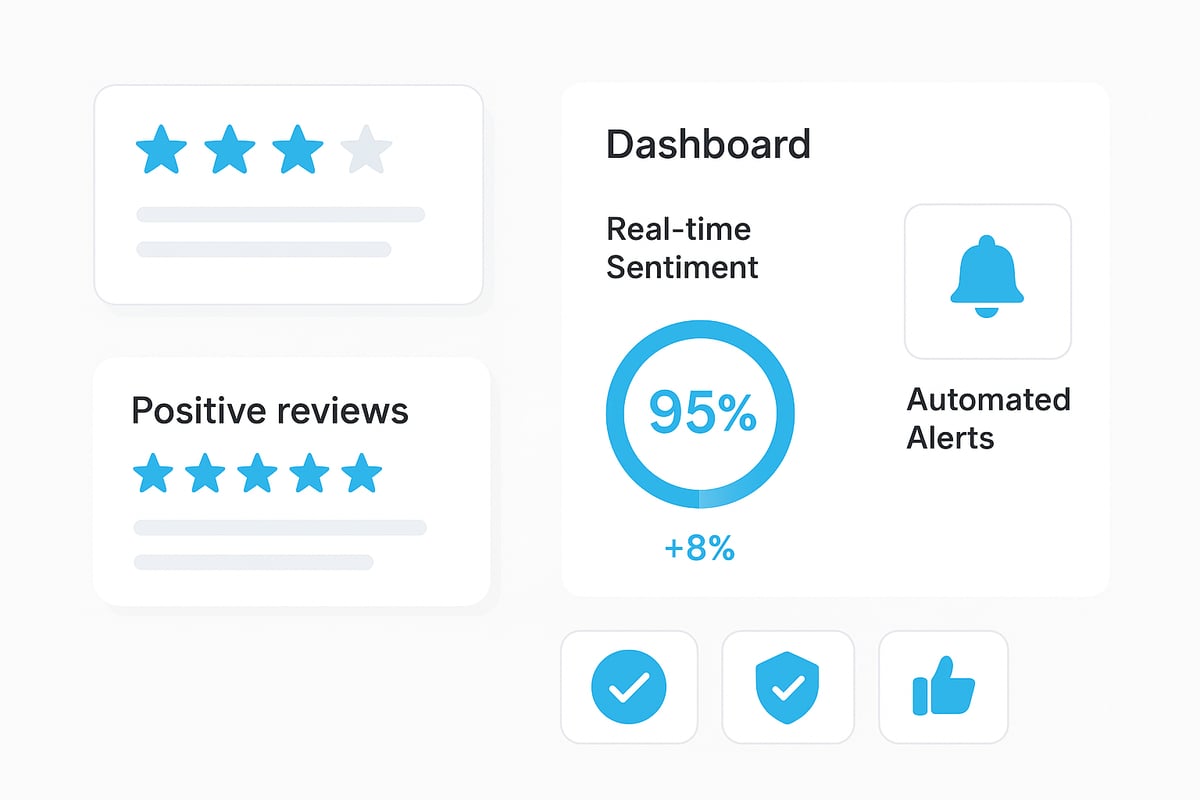
In 2025, the digital landscape has accelerated the speed and reach of information. Every review, comment, or social post is instantly accessible, making it clear why reputation management is important for any organization. A single negative mention can spread rapidly across platforms and impact perception within hours.
Today’s consumers rely on digital feedback more than ever. In fact, 90% of customers read online reviews before visiting a business, and 67.7% say reviews directly influence their purchasing decisions. This underscores why reputation management is important in an era where public opinion is shaped in real time. As detailed in Reputation management and reviews, managing online reviews is now essential for maintaining trust and credibility.
In a crowded market, a strong reputation is the ultimate differentiator. With countless choices available, customers gravitate toward brands they trust. This is a major reason why reputation management is important for businesses hoping to stand out from competitors and attract loyal clients.
Trust and credibility are not just buzzwords—they translate directly to revenue. Research shows that each additional Yelp star can boost a business’s revenue by 5 to 9 percent. This tangible connection between positive reputation and financial results highlights why reputation management is important for long-term growth.
The impact of reputation extends beyond customers. Talent acquisition and retention are now closely tied to employer reputation. Job seekers routinely research companies before applying, and organizations with a positive image attract top talent. This trend reinforces why reputation management is important for building high-performing teams.
Crises can escalate online in minutes. A single misstep or negative incident can damage a brand’s image and erode trust. However, companies with robust reputation management recover faster and limit long-term harm. Proactive monitoring and response are vital in today’s environment.
A positive reputation also boosts employee morale and engagement. When staff feel proud of their company’s public image, they are more likely to stay, advocate for the brand, and contribute to its growth. This internal effect further explains why reputation management is important for organizational health.
Finally, reputation drives brand value by increasing customer loyalty, reducing churn, and raising lifetime value. In 2025, investing in reputation management is not optional—it is a strategic necessity for anyone looking to thrive in a transparent, competitive world.

How Reputation Management Works: Core Strategies for 2025
In 2025, organizations and individuals need a clear understanding of why reputation management is important to secure trust and drive growth. Effective strategies combine technology, proactive engagement, and integrated processes, ensuring that businesses stay ahead in a fast-moving digital world.
Monitoring and Analysis
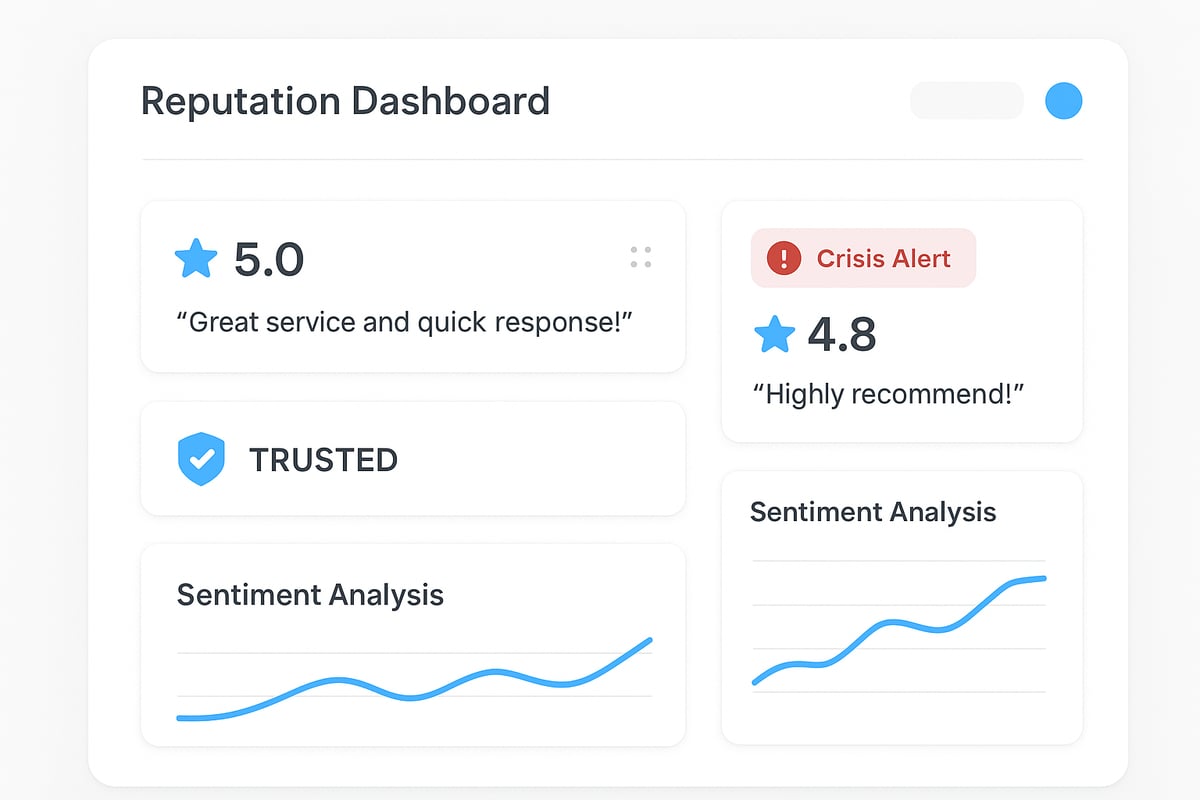
The foundation of any reputation management strategy is continuous monitoring. Businesses use AI-powered tools to track mentions, reviews, and sentiment across search engines, social media, and review platforms.
Popular solutions provide real-time alerts for brand mentions, allowing teams to react swiftly to both praise and criticism. This proactive approach is a core reason why reputation management is important, as it helps prevent issues from escalating.
Key tools include:
Automated sentiment analysis dashboards
Brand mention trackers
Social listening platforms
By analyzing trends and identifying emerging issues early, organizations can maintain control over their public image.
Engagement and Response
Timely and authentic engagement is essential. Responding to both positive and negative feedback shows customers that their voices matter. Teams should reply promptly, using a polite and solution-oriented tone.
Best practices include:
Personalizing responses to each review
Addressing negative comments privately where possible
Thanking customers for positive feedback
This consistent interaction is central to why reputation management is important. It builds trust, diffuses potential crises, and demonstrates a commitment to customer satisfaction.
Content Strategy and Review Management
Creating and promoting high-quality content shapes the narrative around your brand. Publishing blogs, case studies, and testimonials helps push positive results higher in search rankings. Encouraging satisfied customers to leave reviews on trusted platforms further strengthens credibility.
Optimizing this content for branded keywords ensures it appears prominently when people search for your company. For an in-depth look at the connection between SEO and reputation, see SEO in reputation management.
Key actions:
Share customer success stories
Use SEO best practices to rank positive content
Regularly update website and social profiles
A strong content and review management plan is a pillar of why reputation management is important in 2025.
Crisis Management and Automation
No business is immune to negative events, but preparation makes all the difference. Developing a crisis management protocol with pre-approved messaging and designated spokespeople ensures rapid, coordinated responses.
Automation software can monitor online reviews and alert teams to spikes in negative sentiment instantly. This technology-driven approach is another reason why reputation management is important, as it minimizes damage and accelerates recovery.
Best practices:
Create a crisis response playbook
Conduct regular drills
Use automation tools for 24/7 monitoring
Data-driven Improvement, SEO Integration, and Collaboration
Ongoing success relies on tracking performance and refining strategies based on data. Teams analyze KPIs such as review ratings, sentiment scores, and branded search traffic to identify what drives reputation.
Integrating SEO ensures that positive content outranks negative mentions. Collaboration across marketing, PR, customer service, and HR aligns reputation management with broader business goals.
By understanding why reputation management is important and investing in these core strategies, organizations can safeguard and enhance their brand value for the future.
Step-by-Step Guide: Building a Reputation Management Plan
Building a robust plan is the foundation for success in today’s digital world. Knowing why reputation management is important will help you protect your brand and drive meaningful growth. Below is a detailed, practical roadmap to get you started.
Step 1: Audit Your Current Reputation
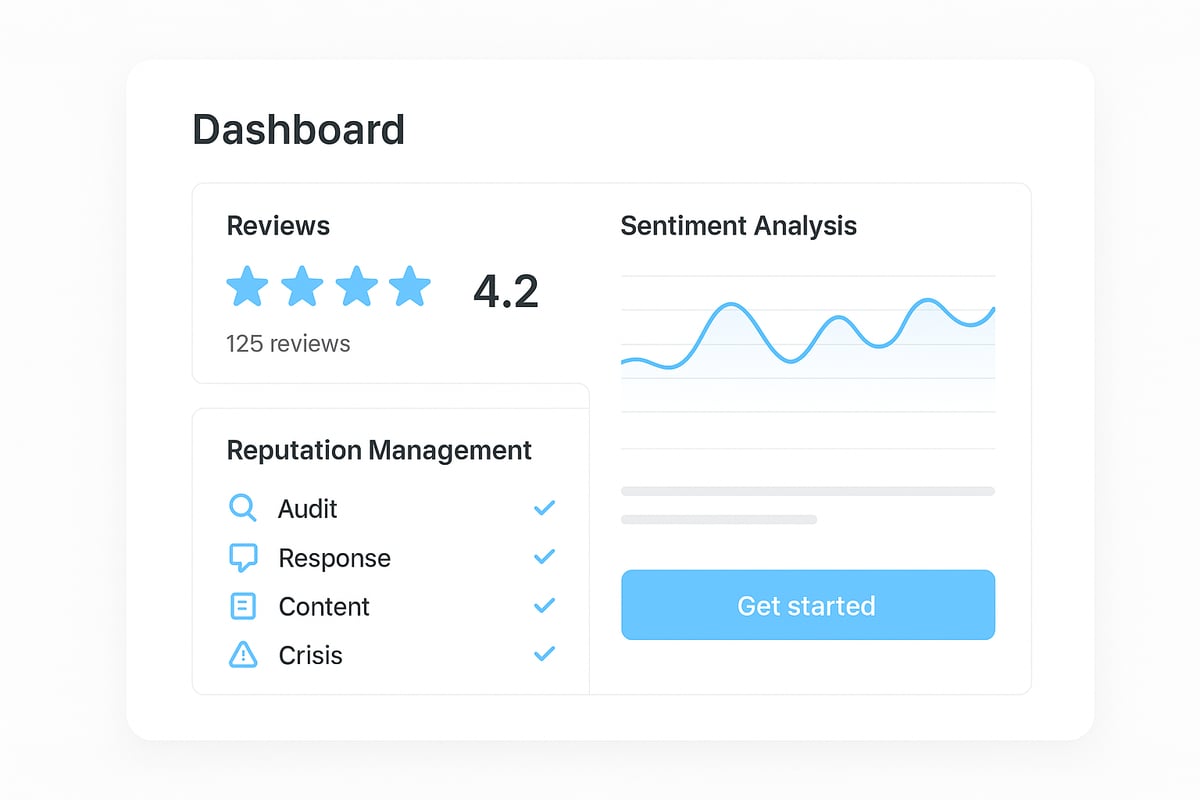
Begin your plan by searching your business name across Google, social media, and top review sites. Use monitoring tools such as Google Alerts, Brand24, or Reputology to track mentions and conversations.
Assess the sentiment of feedback, average ratings, and overall public perception. This establishes a clear baseline and highlights why reputation management is important for your brand’s future.
Step 2: Set Reputation Goals
Define specific, measurable goals. Examples include achieving a target review score, increasing the number of positive reviews, or improving sentiment by a certain percentage.
Align these objectives with core business KPIs like sales growth or online visibility. By doing this, you reinforce why reputation management is important for long-term business success.
Step 3: Assign Roles and Responsibilities
Decide if you will manage reputation in-house, outsource to an agency, or use a hybrid model. Assign clear roles for monitoring, responding, and content creation.
If you are unsure where to start, review this reputation management services overview to see available solutions. This will clarify why reputation management is important for structured accountability and efficiency.
Step 4: Monitor and Track Brand Mentions
Set up alerts for your brand, products, and key personnel. Use platforms like Mention, Hootsuite, or Sprout Social for real-time monitoring.
Track all brand mentions to ensure you never miss critical feedback or trending conversations. Staying informed is central to understanding why reputation management is important.
Step 5: Respond Promptly and Professionally
Reply to every review and comment with a polite, solution-focused tone. Personalize your responses to build trust and credibility.
For best practices, consult this guide on responding to negative reviews. Timely, thoughtful replies show you value feedback and understand why reputation management is important.
Step 6: Encourage and Leverage Positive Reviews
After each transaction, invite customers to share feedback through email prompts, QR codes, or dedicated website sections.
Redirect satisfied clients to public platforms like Google or Trustpilot. Amplifying positive experiences is a core reason why reputation management is important for business growth.
Step 7: Create and Promote Positive Content
Publish case studies, testimonials, and thought leadership articles to shape your narrative. Use SEO techniques to ensure this content ranks well.
Consistently sharing positive stories helps ensure that favorable content appears above any negative mentions in search results.
Step 8: Prepare a Crisis Management Protocol
Develop pre-approved messaging and assign a spokesperson. Outline escalation procedures for handling potential threats.
Conduct regular drills so your team is ready to act quickly and professionally if a crisis arises. Preparation is key for mitigating any negative impact.
Step 9: Measure, Evaluate, and Refine
Track KPIs such as review ratings, sentiment analysis, and branded search traffic. Schedule regular reviews to analyze what is working.
Refine your strategies based on analytics and feedback. This ongoing process demonstrates why reputation management is important for adapting to change and sustaining trust.
Expert Insights and Future Trends in Reputation Management
The digital world is evolving rapidly, and understanding why reputation management is important in 2025 takes more than just monitoring reviews. Experts agree that the next wave of reputation strategies will be shaped by technology, shifting consumer habits, and new risks for brands and individuals alike.
The Future of Reputation Management: Key Trends
Here’s a snapshot of the trends redefining why reputation management is important:
Trend | Impact in 2025 |
|---|---|
AI & Automation | Faster, smarter monitoring and response |
Voice Search | More consumers discover brands via spoken queries |
Video & UGC | Video reviews and user content build trust |
Legal & Compliance | Managing fake reviews and global regulations |
Personal Branding | Employees and leaders as brand ambassadors |
AI-driven tools are transforming how organizations track and react to public sentiment. Predictive analytics and automated sentiment analysis allow brands to detect issues and opportunities in real time. If you want to understand how AI is reshaping the landscape, the article How AI Is Changing Online Reputation Management in 2025 offers a deep dive into these advancements.
Voice, Video, and Customer Experience
Voice search is now influencing which reviews and brands get noticed first. As more consumers use voice assistants, reputation management must adapt content for these platforms. Video and user-generated content (UGC) are also critical. Short customer testimonials and influencer videos can quickly sway public perception, making them vital tools for those who recognize why reputation management is important.
Integrating reputation management with customer experience (CX) is essential. Brands that connect feedback, reviews, and CX data gain a holistic view of their standing and can act quickly to protect their reputation.
Legal, Compliance, and the Expanding Landscape
Global digital expansion brings new legal challenges. Companies must navigate fake reviews, defamation claims, and stricter regulations. Personal branding is also rising in importance. Executives and employees represent the brand both internally and externally, making their online presence part of the reputation equation.
Emerging review platforms and social channels require brands to stay agile. Those who invest in training, technology, and cross-team collaboration will be best positioned for future growth. Industry forecasts, such as those from the Online Reputation Management Market Forecast 2034, highlight why reputation management is important for long-term success.
To future-proof your reputation, focus on agility, invest in AI-powered tools, and foster a culture of transparency and engagement. The reputation landscape will only grow more complex, but those who stay proactive will earn lasting trust.
As we’ve explored, your online reputation can shape the future of your business in a matter of hours—especially in 2025, when every review or comment is instantly visible to potential customers. Taking proactive steps to build trust, gather authentic feedback, and turn positive experiences into lasting growth is more important than ever. If you’re ready to see how a comprehensive platform can streamline review collection, strengthen your brand, and drive real results, I encourage you to Book a demo today. Let’s make your reputation work for you.


Une solution conçue pour les e-commerces
Découvrez les témoignages d’équipes qui ont simplifié la gestion de leurs avis et accompli plus avec moins.





Load More
