Reputation Management for Small Business: The 2025 Guide
14 novembre 2025
In 2025, a single online review can shape the future of your business. Are you truly in control of your reputation, or leaving it to chance?
This guide on reputation management for small business gives you the power to take charge. You will discover why reputation matters more than ever and how the latest trends are changing the landscape.
We will walk through proven strategies, step-by-step processes, and essential tools to help you manage your reputation with confidence. Learn how to respond to feedback, turn negatives into positives, and build lasting trust with your customers.
Your business deserves to stand out for the right reasons. Let’s get started.
Why Reputation Management Matters for Small Businesses in 2025
In 2025, reputation management for small business is more vital than ever. The digital landscape has shifted, placing online reviews and public perception at the center of business growth. Every customer interaction, review, and response can impact your bottom line. Understanding why reputation matters is the first step in building a resilient, thriving business.
The Digital-First Consumer Landscape
Consumers now begin their search for local businesses online. As of 2025, 98% of people read reviews before making a purchase decision. Platforms like Google, Yelp, and social media have become gatekeepers for credibility. For more recent data on this trend, see the Online Review Statistics for 2025. With so many options available, a strong reputation is a critical differentiator.
Impact on Revenue and Growth
Reputation management for small business directly influences revenue. Businesses with 4-star ratings or higher typically earn 31% more than their lower-rated peers. Positive feedback drives conversions and keeps customers coming back. A single negative viral review, however, can lead to a 20% drop in sales, affecting long-term growth and stability.
Rating | Revenue Impact |
|---|---|
4+ Stars | +31% |
Below 4 Stars | Lower Earnings |
Trust and Credibility as Core Assets
Trust is the cornerstone of every purchase. According to the Edelman Trust Barometer, trust ranks as the top factor in buying decisions. Reputation management for small business helps build this trust. A negative review can turn away 94% of potential customers, highlighting the need to consistently foster positive relationships and respond transparently.
Competitive Advantage for Small Businesses
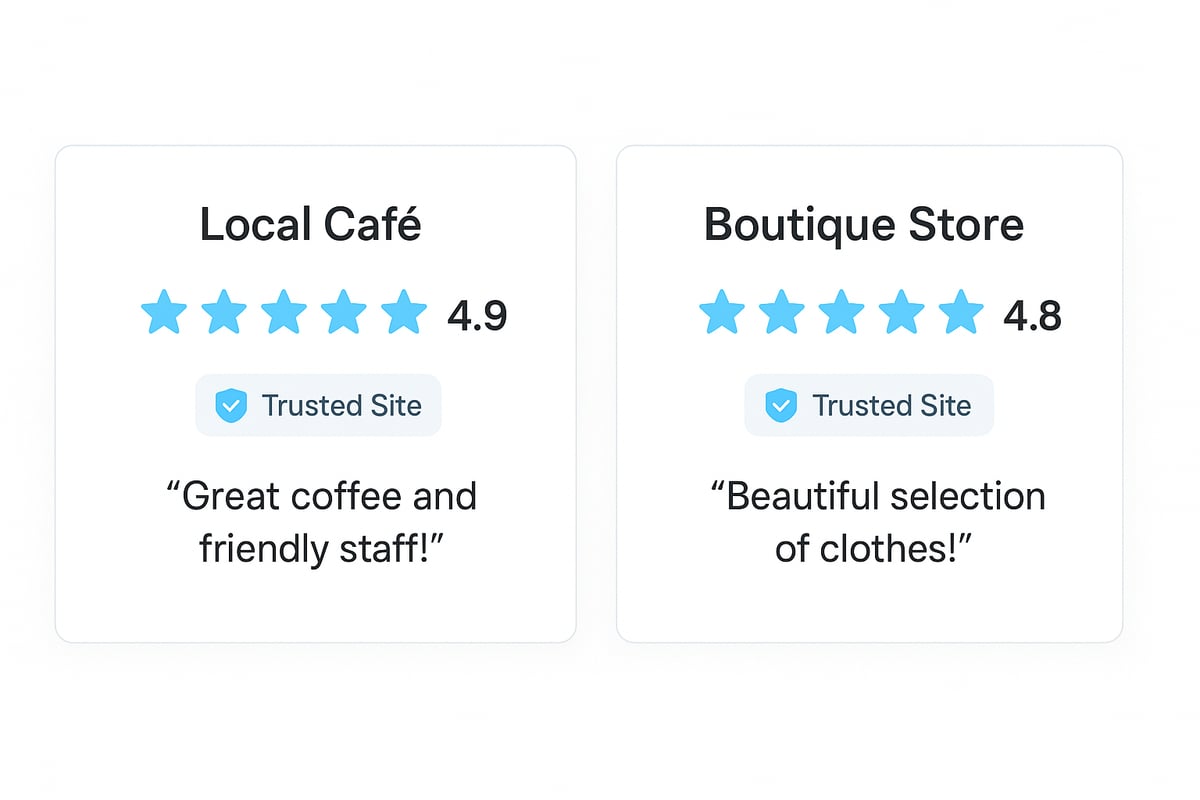
A strong reputation allows small businesses to compete with larger brands. Local cafés, for example, often outperform national chains due to glowing online feedback. Reputation management for small business levels the playing field, giving you the power to attract loyal customers based on authentic, positive experiences.
SEO Benefits of Strong Reputation
Online reviews are not just for show. They play a significant role in local search rankings. Google’s algorithm considers both the quality and quantity of reviews. Businesses that invest in reputation management for small business enjoy higher visibility in “near me” searches and increased website traffic, making it easier for new customers to find them.
Risks of Ignoring Reputation
Ignoring your online reputation can have serious consequences. Unaddressed negative feedback may spiral, damaging your brand image and causing long-term loss. One retailer saw a 20% sales drop after a viral negative review. Proactive reputation management for small business is essential to avoid these pitfalls and protect your business’s future.
Evolving Consumer Expectations
Today’s customers expect immediate, authentic responses. Over 60% want businesses to reply to reviews within 24 hours. Reputation management for small business requires ongoing attention, transparency, and a commitment to improvement. Meeting these expectations builds loyalty and ensures your business stays ahead of the competition.
Key Trends in Reputation Management for 2025
Navigating reputation management for small business in 2025 means staying ahead of fast-moving trends that are reshaping how trust, visibility, and customer relationships are built online. The landscape is evolving, and understanding these key developments is essential for sustainable growth and long-term success.

Rise of AI and Automation
Artificial intelligence is transforming reputation management for small business by providing faster, smarter insights. AI-powered tools can analyze sentiment, flag urgent issues, and even draft tailored responses to reviews. Automation systems streamline review requests, increasing review volume and consistency.
For a deeper dive into how small businesses can implement these strategies effectively, explore Reputation management strategies.
Multi-Platform Reputation Monitoring
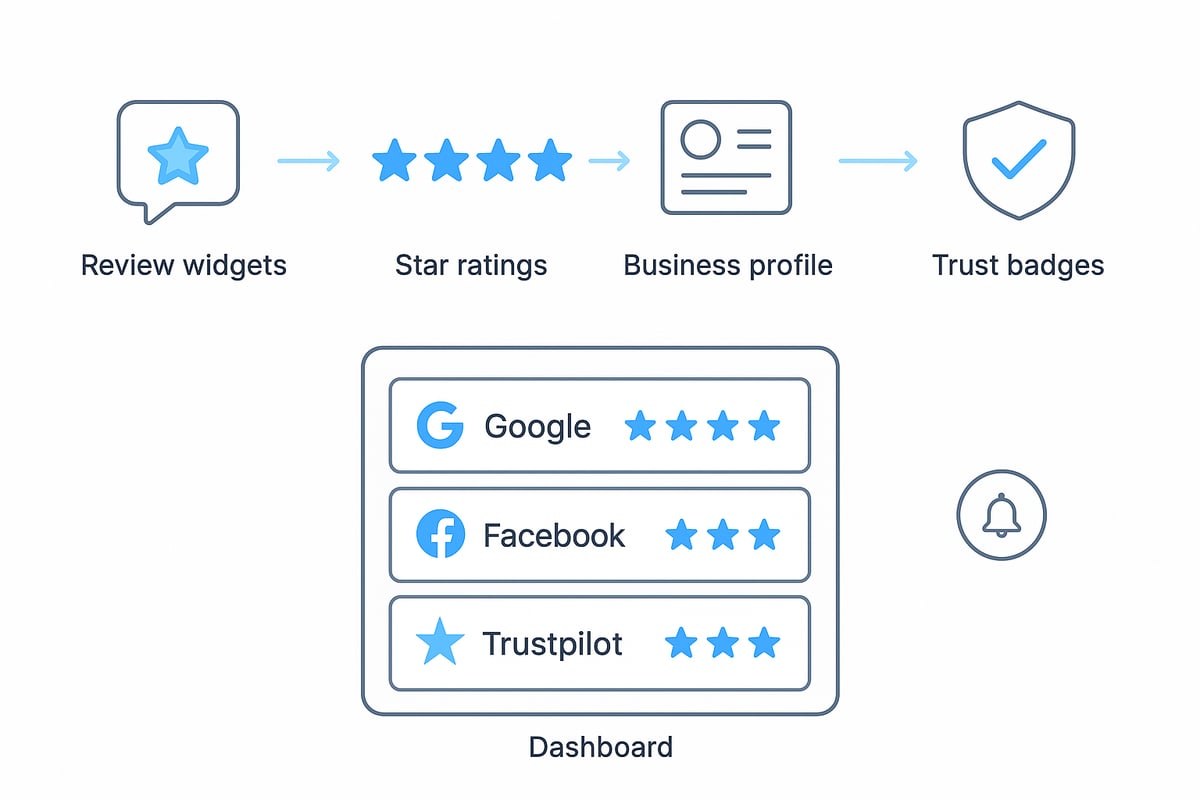
Consumers now share their experiences on an array of platforms like Google, Trustpilot, Facebook, and industry-specific directories. Managing reputation management for small business means tracking and responding to feedback across all relevant sites.
Centralized dashboards and aggregation tools make it easier to maintain a unified brand image while saving time. Businesses that monitor multiple platforms gain a clearer picture of public perception and can address concerns proactively.
Video and Visual Reviews
Video and image-based testimonials are surging in popularity. Customers trust visual evidence, and platforms are prioritizing this content in search results and listings.
Small businesses benefit from featuring user-generated videos and photos, which boost credibility and engagement. Incorporating these reviews into marketing efforts can amplify the impact of reputation management for small business.
Privacy and Authenticity Concerns
Consumers are more aware of fake reviews and data privacy. Platforms are cracking down on manipulation using advanced AI, while verified, authentic feedback is more valued than ever.
Small businesses must ensure compliance with privacy regulations and focus on transparency. This builds trust and strengthens reputation management for small business.
Integration with Customer Experience (CX)
Reputation management is now deeply linked to overall customer experience. Real-time feedback loops help businesses address issues as they arise and improve service quality.
Proactive reputation management for small business involves connecting reviews and feedback directly to CX strategies, ensuring a seamless experience from first interaction to post-service follow-up.
Social Proof and Influencer Impact
Micro-influencers and loyal customer advocates are shaping brand perceptions. Local businesses increasingly leverage community ambassadors to generate trusted social proof.
Highlighting these authentic voices in marketing and review platforms can set a small business apart, making reputation management for small business more dynamic and community-driven.
Regulatory and Platform Changes
Stricter guidelines on review collection and solicitation are emerging from major platforms like Google and Trustpilot. Compliance with laws such as GDPR and CCPA is non-negotiable.
Staying current on regulations and adapting review practices is essential for effective reputation management for small business. Failing to do so can result in penalties or reduced visibility.
The reputation landscape for small business is more complex and opportunity-rich than ever. By embracing these trends, owners can build trust, drive growth, and secure a competitive advantage in the digital-first era.
Step-by-Step Reputation Management Process for Small Businesses
Effectively executing reputation management for small business requires a structured, proactive approach. Follow these seven steps to protect and grow your online presence, ensuring your brand stands out in a competitive digital landscape.
Step 1: Audit Your Current Online Reputation
Begin by searching your business name on major platforms like Google, Yelp, Facebook, and industry-specific directories. Document your existing reviews, ratings, and mentions to get a snapshot of your current reputation.
Identify recurring themes in both positive and negative feedback. This initial audit forms the foundation for targeted reputation management for small business and reveals gaps that require immediate attention.
Step 2: Claim and Optimize Online Listings
Claim your business profiles on Google, Yelp, Facebook, and any niche directories relevant to your industry. Ensure your business information is accurate, including your address, contact details, business hours, and service descriptions.
Enhance listings with high-quality photos and up-to-date information. For a deeper dive on optimizing your Google reviews, see Managing Google reviews. This step is critical for reputation management for small business, as it boosts visibility and builds trust with potential customers.
Step 3: Implement a Review Generation Strategy
Proactively request reviews from customers after a purchase or service. Set up automated tools to send follow-up emails or SMS reminders, making it easy for clients to leave feedback.
Incentivize honest feedback ethically, such as through loyalty points or thank-you notes. A steady flow of new reviews is vital for ongoing reputation management for small business.
Step 4: Monitor and Respond to Reviews
Set up alerts or use review management platforms to track new reviews and mentions across all channels. Respond promptly to every review, thanking happy customers and addressing concerns from unsatisfied ones.
Maintain professionalism and empathy in your responses. Consistent engagement is a cornerstone of reputation management for small business and demonstrates your commitment to customer satisfaction.
Step 5: Address Negative Feedback Constructively
Investigate negative reviews thoroughly to understand the issues raised. Reach out privately when appropriate to resolve concerns, then communicate publicly that the situation has been addressed.
Offer solutions and express your dedication to improvement. Turning detractors into advocates is a powerful outcome of effective reputation management for small business.
Step 6: Showcase Positive Reviews and Social Proof
Highlight your best reviews on your website, social media, and marketing materials. Use review widgets or plugins to display real-time feedback that builds credibility.
Leverage testimonials to strengthen your reputation management for small business, showing prospects the positive experiences of your satisfied customers.
Step 7: Track Progress and Adjust Strategies
Regularly review key metrics such as review volume, average rating, and response time. Schedule quarterly audits to identify trends and areas for improvement.
Adapt your tactics based on analytics and evolving customer expectations. This commitment to continuous improvement ensures your reputation management for small business remains effective and future-proof.
Tools and Platforms for Effective Reputation Management
Selecting the right tools is essential for reputation management for small business. With consumers relying on reviews across multiple platforms, businesses need modern solutions to stay ahead. The right software can streamline review collection, response, and analytics, giving small businesses the edge.
Review Management Software Overview
Modern review management platforms offer centralized dashboards, letting business owners oversee feedback from Google, Yelp, Trustpilot, and more. These tools automate review requests, provide response templates, and use AI to analyze sentiment and flag urgent issues. For a deeper dive on how AI is transforming these solutions, see AI's Role in Online Reputation Management.
With reputation management for small business growing more complex, automation and integration have become essential.
Inflate: All-in-One Review and Reputation Solution for E-commerce
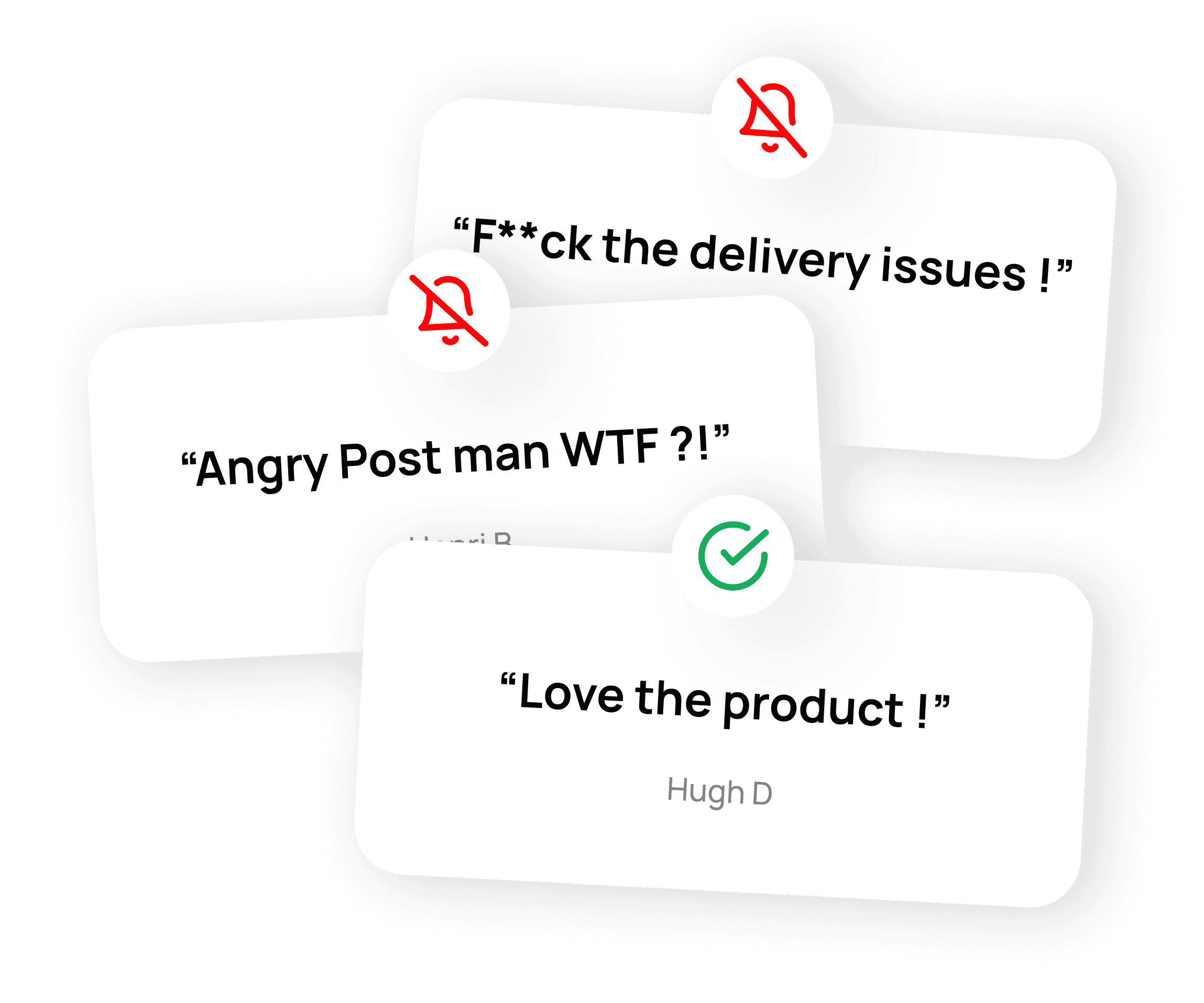
Inflate brings all review requests—product, Trustpilot, and Google—into a single workflow. Its AI-powered analytics offer actionable insights, while the unique detractor shield intercepts unhappy customers before negative reviews go public. Customizable widgets and seamless Shopify integration make it a top pick for reputation management for small business owners seeking efficiency.
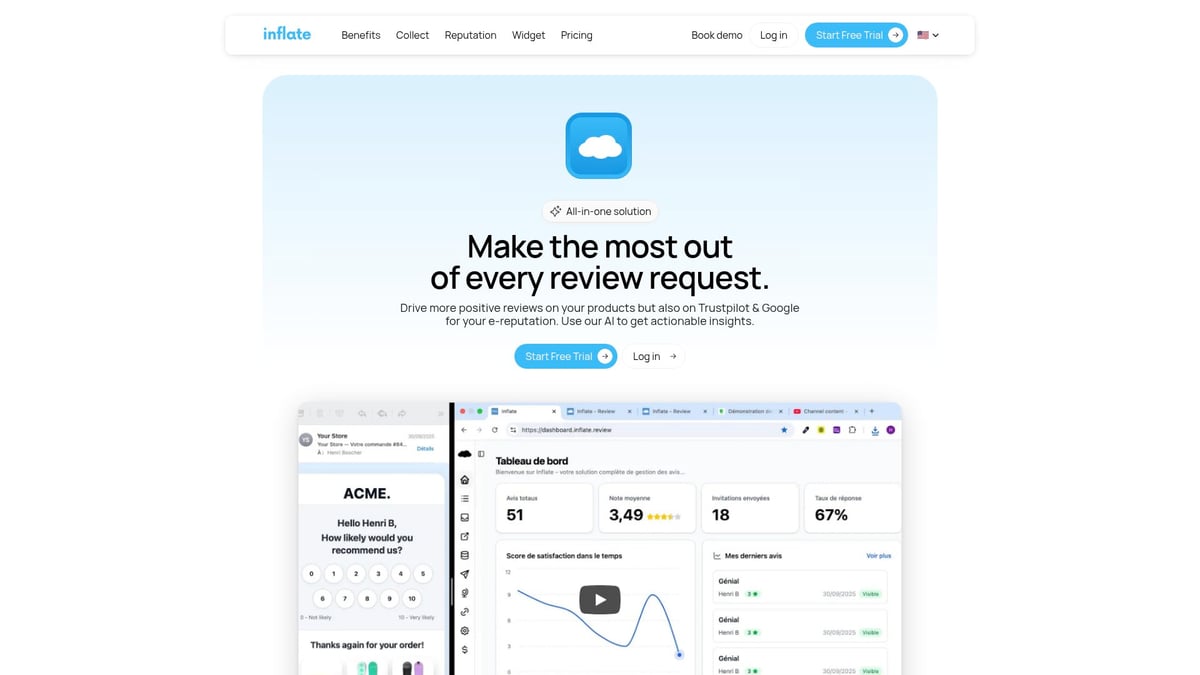
Users report up to 30% higher conversion rates when showcasing reviews via Inflate’s tools.
Other Notable Tools and Platforms
Some platforms stand out for their specialized features:
Google Business Profile: Essential for local SEO and review management.
Trustpilot: Popular for verified reviews and trust-building.
Reputation.com and Birdeye: Best for multi-location businesses needing robust oversight.
These solutions make reputation management for small business scalable and organized.
Social Listening and Monitoring Tools
Social listening tools help track brand mentions and sentiment across social media. They identify emerging trends, allowing businesses to respond quickly to risks or customer praise. This proactive approach enhances reputation management for small business by ensuring no feedback goes unnoticed.
Features include real-time alerts, keyword tracking, and competitor monitoring.
Analytics and Reporting Features
Strong analytics are vital for tracking review performance, Net Promoter Score (NPS), and sentiment trends. Dashboards visualize progress, while AI-driven analysis highlights areas for improvement. These features empower reputation management for small business by turning feedback into actionable strategies.
Data-driven insights help inform marketing, customer service, and operational decisions.
Choosing the Right Solution
When evaluating tools, consider your business size, industry, integration needs, and budget. Scalability, ease of use, and customer support are critical for sustainable reputation management for small business. Demo options and trial periods can help determine the best fit for your goals.
Regularly review your choice as your business and platforms evolve.
Best Practices for Responding to Reviews and Managing Negative Feedback
Managing reviews is a core part of reputation management for small business. Consistent, thoughtful responses can turn casual customers into loyal advocates. The following best practices ensure your small business stays ahead in 2025.
Timely and Personalized Responses
Customers expect quick, tailored replies. Responding within 24 hours shows you value their feedback. Use the customer’s name and reference their experience to build trust.
Thank positive reviewers directly.
Address specifics mentioned in their review.
Use a warm, professional tone.
Handling Negative Reviews Professionally
Negative reviews are inevitable, but how you handle them defines your reputation. Start by acknowledging the issue and apologizing sincerely. Never use defensive language. Instead, focus on finding a solution or offering to resolve the matter privately.
For an in-depth guide, read Responding to negative reviews to strengthen reputation management for small business.
Encouraging Positive Reviews Ethically
Request feedback after each transaction, but avoid offering incentives for positive reviews. Encourage honesty and transparency.
Train staff to ask for feedback at the right moment.
Make leaving a review easy for customers.
Thank all reviewers regardless of their rating.
Leveraging Positive Feedback
Showcase positive reviews on your website and marketing materials. Highlight testimonials in social media posts and email campaigns. This approach boosts credibility and supports reputation management for small business.
Learning from Criticism
Treat negative feedback as an opportunity to improve. Analyze recurring issues and address them at their root.
Hold regular team meetings to discuss trends.
Adjust internal processes based on feedback.
Celebrate improvements.
Maintaining Consistency Across Channels
Respond with a unified brand voice on all platforms. Document response guidelines for staff to ensure consistency in messaging and tone.
Legal and Ethical Considerations
Always follow platform guidelines and never post fake reviews. Avoid retaliating against critics. Protect customer data and privacy at every step.
A strong, ethical approach to reputation management for small business builds long-term trust and resilience in a competitive digital landscape.
Measuring Success: KPIs and Continuous Improvement
Evaluating the effectiveness of reputation management for small business requires a disciplined, data-driven approach. Tracking the right metrics and consistently adjusting strategies ensures your online reputation remains a competitive asset.
Key Reputation Metrics to Track
Start by measuring essential KPIs that reflect your reputation management for small business. Focus on:
Average star rating across platforms
Total review volume and growth trends
Response rate to customer reviews
Net Promoter Score (NPS)
Ratio of positive versus negative feedback
Regular monitoring of these metrics provides a clear snapshot of your business’s online standing.
Setting Realistic Goals
Establish benchmarks based on your industry and business size. Set SMART goals for review generation and response times, ensuring targets are specific and measurable. Reputation management for small business is most effective when goals are tailored, realistic, and regularly reviewed.
Using Analytics to Drive Improvement
Leverage analytics tools to uncover patterns in customer sentiment. AI-powered sentiment analysis can reveal recurring themes and areas for improvement. Monitor which staff or locations perform best, then apply those insights to elevate your overall reputation management for small business strategy.
Benchmarking Against Competitors
Compare your KPIs with direct competitors to identify strengths and gaps. Use industry tools to track competitor ratings and sentiment. For a deeper dive into the SEO impact of reputation management for small business, explore SEO and reputation management to see how review performance can boost search visibility.
Adapting to Changing Consumer Expectations
Stay agile by monitoring new platforms, review policies, and evolving customer trends. Refresh review request templates and response strategies as needed. Success in reputation management for small business depends on anticipating and adapting to what your customers value most.
Building a Reputation-First Company Culture
Embed reputation management for small business into your company culture. Involve every team member, celebrate wins, and learn from setbacks together. Encourage ongoing training and knowledge sharing, ensuring your staff is prepared to maintain and enhance your online reputation over time.
As we’ve explored throughout this guide, proactively managing your online reputation in 2025 isn’t just about protecting your brand—it’s about unlocking real growth and customer loyalty. With solutions like Inflate, you can effortlessly streamline review requests, gather valuable feedback, and showcase authentic customer experiences, all while building trust and boosting your visibility where it counts. If you’re ready to see how a unified approach can make a measurable impact for your business, I encourage you to Book a demo and discover firsthand how reputation management can become your most powerful asset.


Une solution conçue pour les e-commerces
Découvrez les témoignages d’équipes qui ont simplifié la gestion de leurs avis et accompli plus avec moins.





Load More
