Guide to Building an Effective Marketing Automation Workflow 2025
26 octobre 2025

The marketing landscape in 2025 is rapidly evolving, with automation transforming how brands connect with customers. Many marketers feel overwhelmed by manual tasks, fragmented customer journeys, and the ever-increasing demand for personalized experiences.
This guide will walk you through every step of building a successful marketing automation workflow for 2025. You will discover key definitions, top benefits, essential tools, real-world workflow examples, and a detailed roadmap for implementation. Ready to streamline your strategy and boost results? Let’s unlock the full potential of marketing automation together.
Understanding Marketing Automation Workflows
Marketing automation workflow is transforming how marketers operate in 2025. As businesses face mounting pressure to deliver personalized, timely interactions across multiple channels, automation provides a structured way to orchestrate these complex journeys. The adoption of marketing automation workflow tools is surging, with more organizations recognizing their potential to streamline processes and boost efficiency. For a deeper look at recent trends, see the Marketing Automation Adoption Rates.
What is a Marketing Automation Workflow?
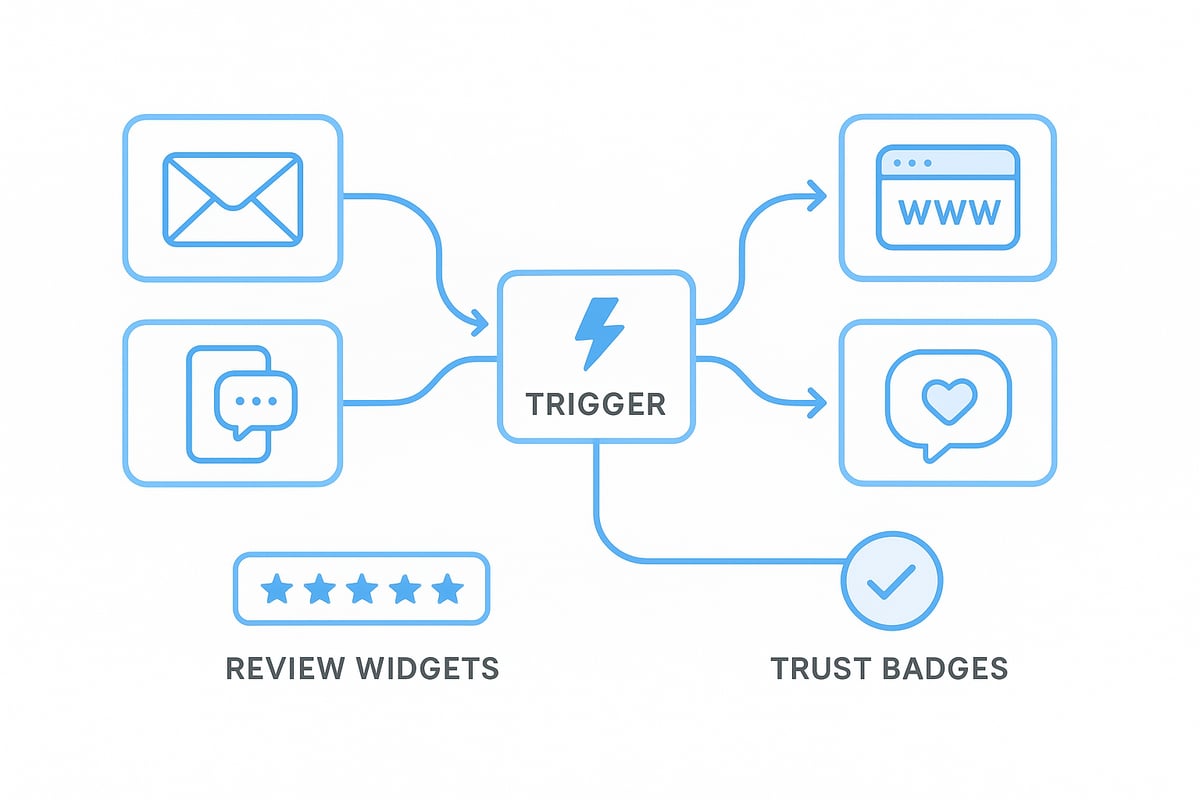
A marketing automation workflow is a sequence of automated, rule-based actions set off by specific customer behaviors or data points. These workflows connect various marketing channels including email, SMS, web, and social media, enabling seamless and consistent communication.
There are both simple and complex forms. A simple marketing automation workflow might send a single welcome email when someone subscribes. In contrast, a complex workflow could coordinate multiple touchpoints, such as sending a reminder email, a follow-up SMS, and a targeted social ad to recover an abandoned cart.
The key takeaway is that a marketing automation workflow is not just about scheduling emails. It is about designing orchestrated customer journeys that adapt to individual actions and preferences.
Benefits of Marketing Automation Workflows
Implementing a robust marketing automation workflow offers multiple benefits. First, it saves time by automating repetitive tasks, freeing your team to focus on strategy and creative work.
Second, it enhances the customer experience by ensuring communications are timely, relevant, and personalized. Teams using marketing automation workflow solutions often report up to 60% higher efficiency. This leads to better lead nurturing, higher conversion rates, and improved ROI.
Finally, real-time analytics enable smarter, data-driven decisions. Marketers can quickly identify what is working and optimize their workflows for maximum impact.
Key Components of a Workflow
To build an effective marketing automation workflow, it is essential to understand its main components:
Component | Description | Example |
|---|---|---|
Trigger | Event or behavior that starts the workflow | Form submission, cart abandonment |
Action | Automated response to the trigger | Send email, update CRM |
Condition/Branching | Logic that personalizes the path | If clicked link, send offer |
Timing/Delay | Schedule or wait periods for actions | Wait 2 days before follow-up |
Integration | Connection to other platforms and tools | Sync with CRM, analytics |
Each piece works together to create a seamless experience. With the right marketing automation workflow, you can ensure every customer receives the right message at the right time, driving loyalty and measurable business growth.
Essential Tools and Technologies for 2025
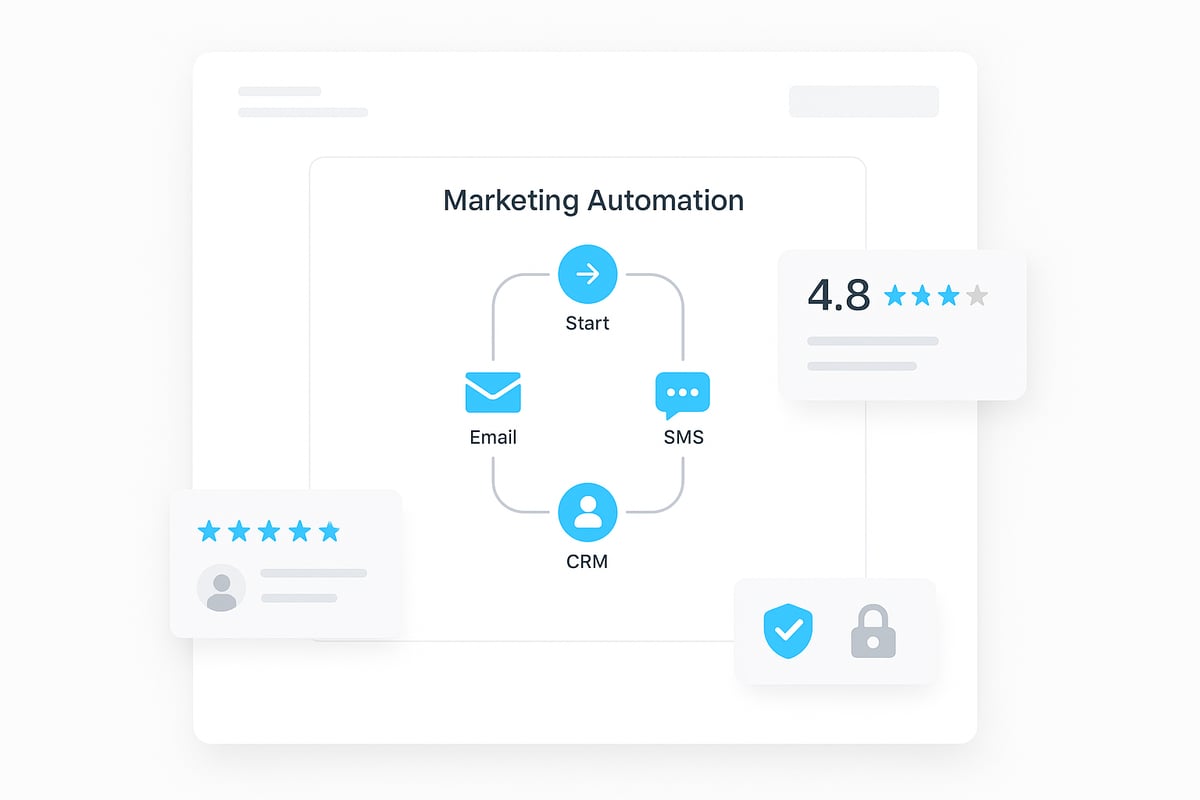
Staying competitive in 2025 requires a robust marketing automation workflow supported by the right tools and technologies. Marketers need platforms that not only automate tasks but also unify channels, leverage AI, and manage data securely. Let’s explore the essential components that define the modern marketing automation workflow.
Leading Marketing Automation Platforms
Selecting the right platform is foundational for a future-ready marketing automation workflow. Solutions like Insider, n8n, HubSpot, and Salesforce Marketing Cloud offer advanced cross-channel orchestration and intuitive user interfaces. AI-powered features such as send-time optimization and predictive analytics are now standard.
Platform | Channels Supported | AI Capabilities | Integrations |
|---|---|---|---|
Insider | 12+ | Yes | Extensive |
n8n | Unlimited | Yes | Limitless |
HubSpot | Multi-channel | Yes | Broad |
Salesforce MC | Multi-channel | Yes | Enterprise-level |
When evaluating a marketing automation workflow solution, focus on scalability, ease of integration, user experience, and depth of analytics.
AI and Machine Learning in Automation
Artificial intelligence is transforming the marketing automation workflow in 2025. AI predicts customer behaviors, selects optimal channels, and personalizes content in real time. Machine learning algorithms automatically identify the best-performing campaign variants and refine workflows for maximum impact.
Features like automated A/B test winner selection and next-best-action recommendations drive engagement and ROI. According to AI's Role in Marketing Automation, AI-powered platforms significantly enhance campaign results and streamline decision-making.
With AI at the core, a marketing automation workflow becomes smarter, more agile, and result-oriented.
Integration and Data Management Tools
A seamless marketing automation workflow depends on strong integrations across your tech stack. Connecting CRMs, e-commerce, analytics, and communication platforms ensures data flows effortlessly, powering unified customer profiles.
Key integration and data management tools:
Data management platforms (CDPs) aggregate and unify customer data.
Solutions like n8n offer limitless integrations with Google Analytics, Mailchimp, Slack, and more.
Bi-directional syncing keeps data accurate everywhere.
Robust privacy and compliance (SOC2, GDPR) are essential for trust.
These integrations lay the groundwork for efficient, compliant, and scalable marketing automation workflow execution.
Automation Templates and Customization
Templates accelerate the launch of any marketing automation workflow. Leading platforms provide pre-built templates for welcome sequences, cart recovery, and feedback requests. These templates are fully customizable, allowing marketers to adapt them for different industries, channels, and branding requirements.
For example, Insider offers templates that work across multiple channels and can be tailored to match unique brand guidelines. This flexibility means teams can deploy effective workflows quickly while maintaining a personalized touch.
Every marketing automation workflow benefits from a balance of speed, customization, and consistency.
Examples of Effective Marketing Automation Workflows
Modern businesses rely on a robust marketing automation workflow to streamline customer engagement and drive results. By building and optimizing these workflows, marketers can deliver personalized experiences, save time, and boost ROI. Let us explore real-world examples of automation that deliver measurable impact.
Onboarding and Welcome Sequences
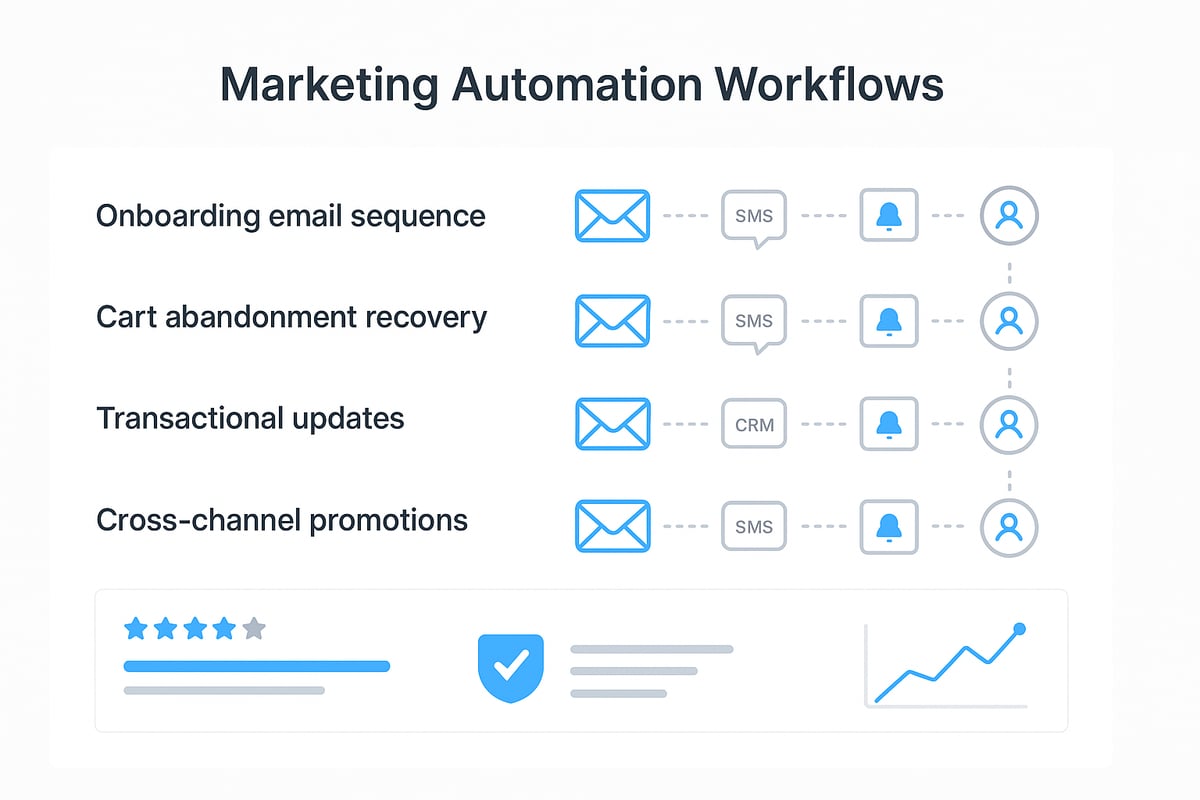
A marketing automation workflow for onboarding is vital for nurturing new leads and turning them into loyal customers. Typically, this includes a series of automated emails triggered when a user signs up or makes a first purchase. Personalization is key, with content tailored to behaviors, preferences, or survey responses.
For example, Remix’s three-step onboarding campaign achieved a 104% increase in first purchases by segmenting users based on acquisition source and adapting content to their interests. Marketers can further enhance these workflows by referring to the Best Email Marketing Campaigns, which showcase proven strategies for maximizing engagement and conversions.
Segmenting new users and providing value at each step keeps your brand top of mind and encourages early action.
Cart Abandonment and Recovery
A well-designed marketing automation workflow for cart abandonment identifies users who leave items in their cart and re-engages them with timely, relevant messages. This workflow typically uses a multi-channel approach, combining email, SMS, WhatsApp, and web push notifications.
As an example, Slazenger’s email and SMS campaign delivered a 49x ROI, while Picniq’s WhatsApp reminders achieved an impressive 80% open rate. Marks & Spencer’s web push notifications resulted in a 15.1% cart recovery rate. Ready-to-use templates allow for rapid deployment and easy customization, ensuring each channel works together for maximum impact.
Automating recovery efforts helps recapture revenue and improves the customer journey.
Transactional and Post-Purchase Flows
A transactional marketing automation workflow automatically sends order confirmations, shipping updates, and feedback requests after purchase. These communications are essential for building trust and maintaining a seamless post-purchase experience.
For example, brands can automate post-purchase surveys to gather reviews and insights, opening up opportunities for upsell or cross-sell offers. Timely updates reassure customers, while feedback requests encourage engagement and loyalty.
Optimizing these flows leads to higher satisfaction, more reviews, and increased repeat business.
Cross-Channel Promotional Campaigns
An advanced marketing automation workflow for promotions orchestrates campaigns across web, mobile, email, push, and SMS. Personalization is driven by real-time behavior and engagement data, enabling marketers to deliver the right message on the right channel.
A typical example is a promotion triggered by a price drop or inventory change, sent simultaneously across multiple platforms. Coordinated messaging ensures higher engagement and conversion rates, as customers receive consistent offers tailored to their preferences.
Cross-channel workflows maximize reach and reinforce your brand’s presence throughout the customer journey.
Step-by-Step Guide to Building a Marketing Automation Workflow
Building a marketing automation workflow in 2025 requires a strategic, stepwise approach. Each step is crucial for creating seamless customer journeys, saving time, and boosting ROI. Let’s break down the process so you can implement automation with confidence.
Step 1: Define Goals and Map Customer Journeys
Start by setting clear objectives for your marketing automation workflow. Are you aiming to drive lead generation, increase retention, or boost revenue? Identifying these goals helps prioritize what matters most for your business.
Next, map your customer journey. Pinpoint all key touchpoints, friction points, and decision stages. Use customer data to visualize typical paths, such as onboarding for new users or re-engagement for inactive ones.
A well-mapped journey ensures your marketing automation workflow addresses user needs at every stage. This clarity enables you to design workflows that deliver timely, relevant messages and support your broader marketing strategy.
Step 2: Segment Your Audience
Segmentation is the backbone of any effective marketing automation workflow. Use behavioral, demographic, and transactional data to organize your audience into dynamic segments that update in real time.
For example, you might segment cart abandoners, frequent buyers, or newsletter subscribers. AI tools can further enhance segmentation by predicting future behaviors. For practical strategies, explore these Customer Segmentation Examples.
Segmentation ensures that each marketing automation workflow delivers the right message to the right person, increasing relevance and conversion rates.
Step 3: Select Triggers and Actions
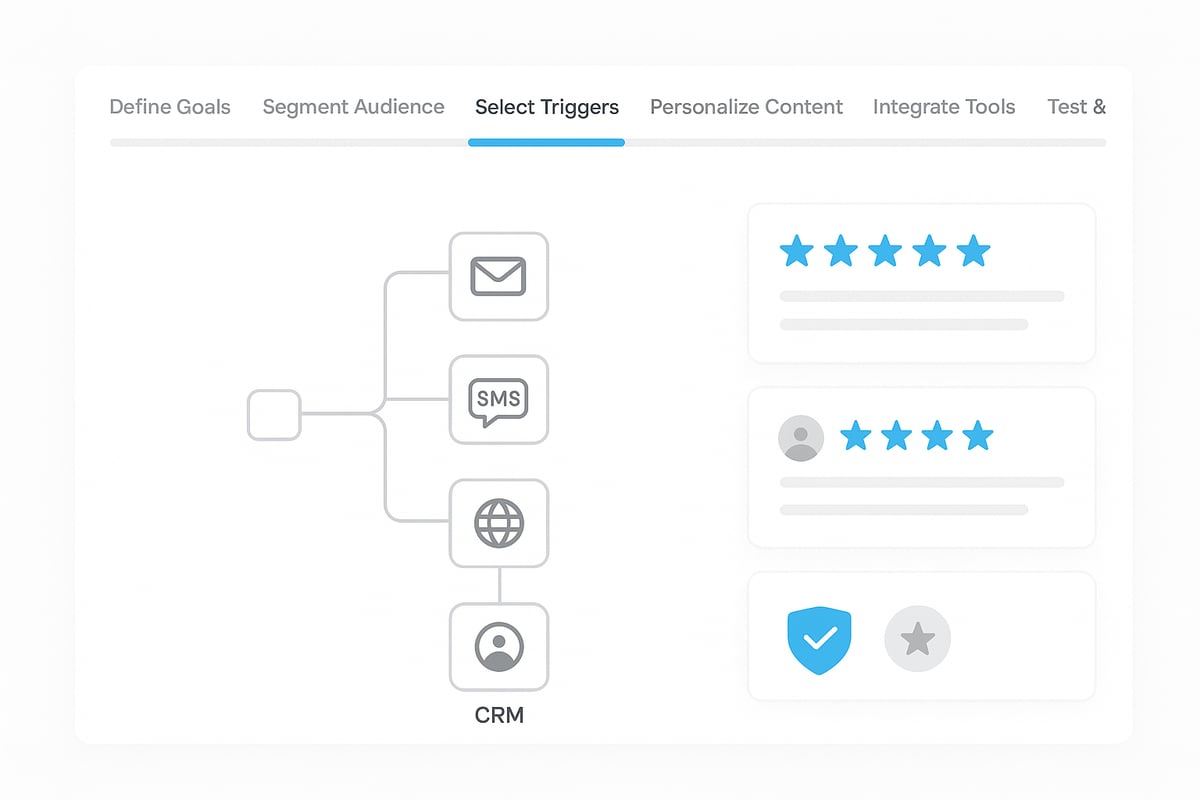
Triggers are the events or behaviors that initiate your marketing automation workflow. Common triggers include site visits, email clicks, or purchases.
After choosing triggers, define automated actions—such as sending a follow-up email, push notification, or updating your CRM. Use conditions to create branching logic: for instance, if a user opens an email, send a discount offer; if not, send a reminder.
This step brings your marketing automation workflow to life, ensuring each customer receives personalized, timely interactions based on their unique journey.
Step 4: Personalize Content and Timing
Personalization is the key to a high-performing marketing automation workflow. Utilize dynamic content blocks for tailored offers, recommendations, and product suggestions.
Optimize send times using AI-powered scheduling tools to reach users when they are most likely to engage. Regularly A/B test your messages to refine tone, subject lines, and offers.
With effective personalization, your marketing automation workflow increases engagement and drives higher ROI, making every interaction feel relevant and valuable.
Step 5: Integrate with Tools and Ensure Data Flow
To maximize the potential of your marketing automation workflow, integrate it with your CRM, e-commerce, analytics, and communication platforms. Seamless connections enable bi-directional data flow, ensuring accurate tracking and reporting.
For example, integrate your automation tool with Google Sheets for campaign analytics or with a CDP to maintain unified customer profiles. Always address data privacy and compliance requirements to protect your customers.
Proper integration empowers your marketing automation workflow to deliver a cohesive, data-driven customer experience across all channels.
Step 6: Test, Launch, and Optimize
Before launching, thoroughly test your marketing automation workflow. Check logic, triggers, and content for accuracy. Monitor key metrics such as open rates, conversions, and ROI once live.
Use real-time analytics to spot bottlenecks and quickly optimize underperforming steps. Employ automated A/B testing to refine content and improve outcomes.
Continuous optimization ensures your marketing automation workflow adapts to customer needs, maximizes efficiency, and delivers measurable business results.
Measuring Success and Maximizing ROI
A successful marketing automation workflow is only as strong as the results it delivers. To maximize impact, marketers must measure the right outcomes, leverage analytics for ongoing improvement, and understand how workflows affect customer loyalty. Let’s break down the key metrics, analytics strategies, loyalty factors, and pitfalls to ensure your automation efforts drive measurable ROI.
Key Metrics to Track
Tracking the right metrics is essential for understanding whether your marketing automation workflow is delivering results. Focus on these core KPIs:
Conversion rates (from lead to customer)
Open and click rates for emails and messages
Revenue generated per campaign
Customer lifetime value (CLV)
Retention rates over time
Productivity improvements, such as time saved by automating tasks
Calculate ROI by comparing the total investment in your marketing automation workflow to the incremental revenue it generates. For actionable tips to improve conversions within your workflows, see How to Increase Conversions. Regularly review these numbers to adapt your strategy for optimal performance.
Using Analytics for Continuous Improvement
Analytics are the backbone of a high-performing marketing automation workflow. Leverage real-time dashboards to monitor open rates, click-throughs, and conversions as they happen. Use segmentation data to identify which audience groups respond best to specific messages or channels.
AI-powered analytics can surface actionable insights, highlighting underperforming steps and suggesting optimizations. Update your marketing automation workflow regularly based on these insights to drive continuous improvement. Testing different triggers, content variations, and timing can reveal clear opportunities to refine your approach and increase ROI.
Impact on Customer Loyalty and Experience
An effective marketing automation workflow does more than boost sales—it builds lasting customer relationships. Personalization and timely communications make shoppers feel understood, increasing trust and brand loyalty. Automated feedback and review requests after purchase encourage engagement and provide valuable insights.
For example, post-purchase surveys or thank-you messages can create positive experiences that lead to repeat business. Consistent messaging across channels reinforces your brand, while loyalty-focused automations help retain customers. Explore more retention tactics that integrate seamlessly with your workflows in Customer Retention Strategies.
Common Pitfalls and How to Avoid Them
Even the best marketing automation workflow can run into obstacles. Common pitfalls include:
Over-automation, which risks making interactions feel impersonal
Poor data integration, leading to fragmented customer journeys
Failing to comply with privacy regulations
To avoid these issues, conduct regular audits, focus on customer-centric design, and prioritize quality over quantity. Keep your marketing automation workflow agile and responsive so it adapts to changing customer needs and industry standards.
Future Trends in Marketing Automation Workflows
The future of marketing automation workflow is being shaped by rapid advancements in artificial intelligence and customer engagement technology. In 2025, marketers will see the rise of autonomous AI agents that can interact with customers across multiple touchpoints, delivering real-time, context-aware responses. These intelligent agents will become central to orchestrating seamless experiences, helping brands respond instantly to complex customer needs.
Another significant trend is the expansion of marketing automation workflow capabilities to new channels. WhatsApp, voice assistants, and conversational customer experiences are becoming standard components of a cross-channel approach. This shift is driving the need for unified customer profiles and hyper-personalization, ensuring that every interaction is informed by a complete view of the customer journey.
Predictive analytics and machine learning are taking center stage in optimizing the marketing automation workflow. Marketers can now anticipate customer behaviors, select the next-best channel, and deliver highly relevant content automatically. The emergence of no-code workflow builders is making these advanced capabilities accessible to more teams, empowering marketers to design and launch sophisticated automations without relying on developers.
Industry data underscores the accelerating adoption of these innovations. According to Marketing Automation Industry Revenue Growth, the market is projected to grow significantly, reflecting its expanding role in strategic planning. As a result, staying ahead of these trends in marketing automation workflow will be crucial for brands aiming to boost ROI, drive loyalty, and deliver personalized experiences at scale.
As you explore the steps to building a results-driven marketing automation workflow for 2025, it’s clear that having the right tools and insights can make all the difference for your business. If you’re ready to simplify how you manage reviews, boost customer trust, and turn feedback into real growth, let’s take the next step together. I’d love to show you how Inflate brings automation, AI-powered analytics, and seamless integrations into one powerful solution—so you can put these strategies into action with confidence. Curious to see it in action? Book a demo and let’s get your workflow working for you.


Une solution conçue pour les e-commerces
Découvrez les témoignages d’équipes qui ont simplifié la gestion de leurs avis et accompli plus avec moins.





Load More
