Trustpilot Rating Guide: How to Understand Scores in 2025
October 24, 2025
Ever wondered what a trustpilot rating really means for your business in 2025? In today’s digital landscape, these ratings are more than just numbers—they shape consumer trust and can make or break your online reputation. This guide will demystify the trustpilot rating system, reveal how scores are calculated, and show how you can use them to your advantage. You’ll get a clear breakdown of the rating scale, discover the key factors that impact your score, learn how to interpret feedback, find actionable tips to boost your rating, and avoid common pitfalls. Ready to turn insights into results? Let’s dive in.
What Is a Trustpilot Rating?
Understanding a trustpilot rating is essential for any business striving to build a strong online reputation in 2025. Trustpilot stands as one of the most recognized independent review platforms in the world. It hosts over 190 million reviews covering a vast range of companies, from e-commerce stores to global service providers.

The Role of Trustpilot in Online Reputation
A trustpilot rating acts as a digital trust signal, shaping how consumers perceive brands before making a purchase. Unlike testimonials curated by businesses, Trustpilot collects authentic feedback from real customers, making it a powerful tool for building credibility.
For e-commerce and service brands, a strong trustpilot rating can directly impact conversion rates. In sectors like retail, travel, and finance, consumers are increasingly relying on Trustpilot to compare options and make informed choices. For example, a travel agency with a 4.7-star trustpilot rating is more likely to be chosen over a competitor with fewer positive reviews.
With real-time updates, businesses see their reputation evolve as new reviews are posted. Trustpilot’s scale and independence help ensure that ratings reflect genuine customer experiences. For a deeper understanding of the platform’s strengths, read this Review of Trustpilot platform.
Consumers trust third-party ratings more than brand-controlled marketing. This unbiased feedback serves as a key decision-making factor, helping businesses stand out in crowded markets.
Understanding the Trustpilot Rating Scale
Trustpilot uses a straightforward 1–5 star system to summarize customer satisfaction. Here’s what each star means:
Stars | Rating Label |
|---|---|
5 | Excellent |
4 | Great |
3 | Average |
2 | Poor |
1 | Bad |
A trustpilot rating is visually displayed on company profiles, review widgets, and even on platforms like Apple’s App Store or on business websites. This immediate visibility allows potential customers to gauge a company’s reputation at a glance.
It’s important to note the difference between the overall score and recent trends. While the overall trustpilot rating reflects the average of all reviews, recent review activity can signal changes in service quality or customer satisfaction. A company may have a high historical rating, but a sudden influx of negative reviews can alter perceptions quickly.
By understanding how trustpilot rating systems work, marketing managers and entrepreneurs can better interpret feedback and use it strategically.
How Trustpilot Ratings Are Calculated in 2025
Understanding how a trustpilot rating is calculated in 2025 is essential for businesses aiming to build trust and credibility online. The methodology behind these ratings is more sophisticated than ever, balancing fairness, recency, and authenticity. Let’s break down the mechanics, the factors that can shift your score, and what’s new for this year.
The TrustScore Formula Explained
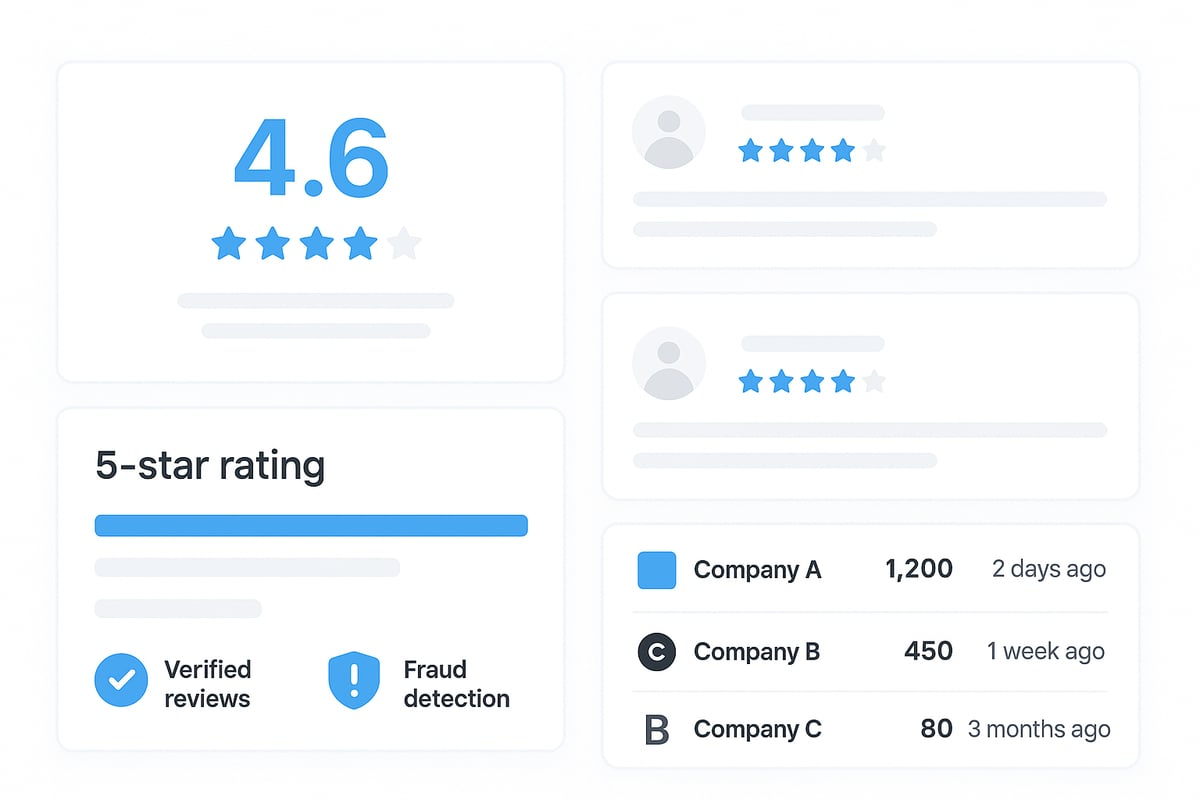
The core of the trustpilot rating system is the TrustScore, which uses a Bayesian average to provide a balanced view of customer sentiment. This formula weighs each review, giving more importance to recent feedback. For a public trustpilot rating, a business must have a minimum number of reviews, ensuring the score is statistically meaningful.
Trustpilot’s formula also accounts for consistency and review volume. For example, a company with 1,000 reviews over several years may have a stable score, but a business with 20 recent reviews can see dramatic shifts if those reviews are positive or negative. Recency matters, so a spike in recent five-star feedback can quickly boost your trustpilot rating.
For a deeper understanding of how Trustpilot’s approach stacks up against other platforms, you can read this Comparing Trustpilot and Google reviews guide.
Company A | Company B |
|---|---|
1,000 reviews (over 3 years) | 20 reviews (last 2 months) |
Score changes slowly | Score changes rapidly |
Stable TrustScore | Volatile TrustScore |
Factors That Influence Your Trustpilot Rating
Several elements can influence your trustpilot rating, making it crucial for businesses to understand what drives changes. Verified reviews, collected directly from genuine customers, often carry more weight than unverified ones. Trustpilot also monitors for flagged, removed, or disputed reviews, which can impact your score if a pattern emerges.
Review recency and frequency play a significant role. A steady flow of positive reviews signals ongoing customer satisfaction, while long gaps between reviews or sudden influxes of negative feedback can lower your trustpilot rating. Company engagement is another vital factor. Responding to reviews, whether positive or negative, demonstrates transparency and helps build trust.
For instance, if a business suddenly receives multiple negative reviews in a short period, the TrustScore may drop noticeably. Conversely, consistent, authentic customer feedback and active management can improve your trustpilot rating over time.
Updates and Changes in 2025
Trustpilot continuously refines its calculation methodology to ensure ratings remain accurate and trustworthy. In 2025, updates include enhanced fraud detection tools and more robust identity verification for reviewers. These changes aim to minimize fake or manipulated reviews, preserving the integrity of the trustpilot rating system.
New policies focus on verifying reviewer identity, flagging suspicious activity, and quickly addressing fraudulent patterns. For example, if abnormal review behavior is detected, Trustpilot may temporarily suspend a company’s score until investigations are complete.
These updates benefit businesses committed to ethical practices and help consumers rely on the trustpilot rating as a dependable trust signal. Staying informed about these changes allows companies to adapt their strategies and maintain a strong online reputation.
Why Trustpilot Ratings Matter for Businesses
Trustpilot rating is more than just a number, it is a powerful signal that shapes how consumers and search engines view your brand. In 2025, these ratings influence everything from first impressions to final purchasing decisions. Understanding the weight of your Trustpilot rating can help you unlock higher conversion rates, boost online visibility, and outperform competitors.
Impact on Consumer Trust and Conversion Rates
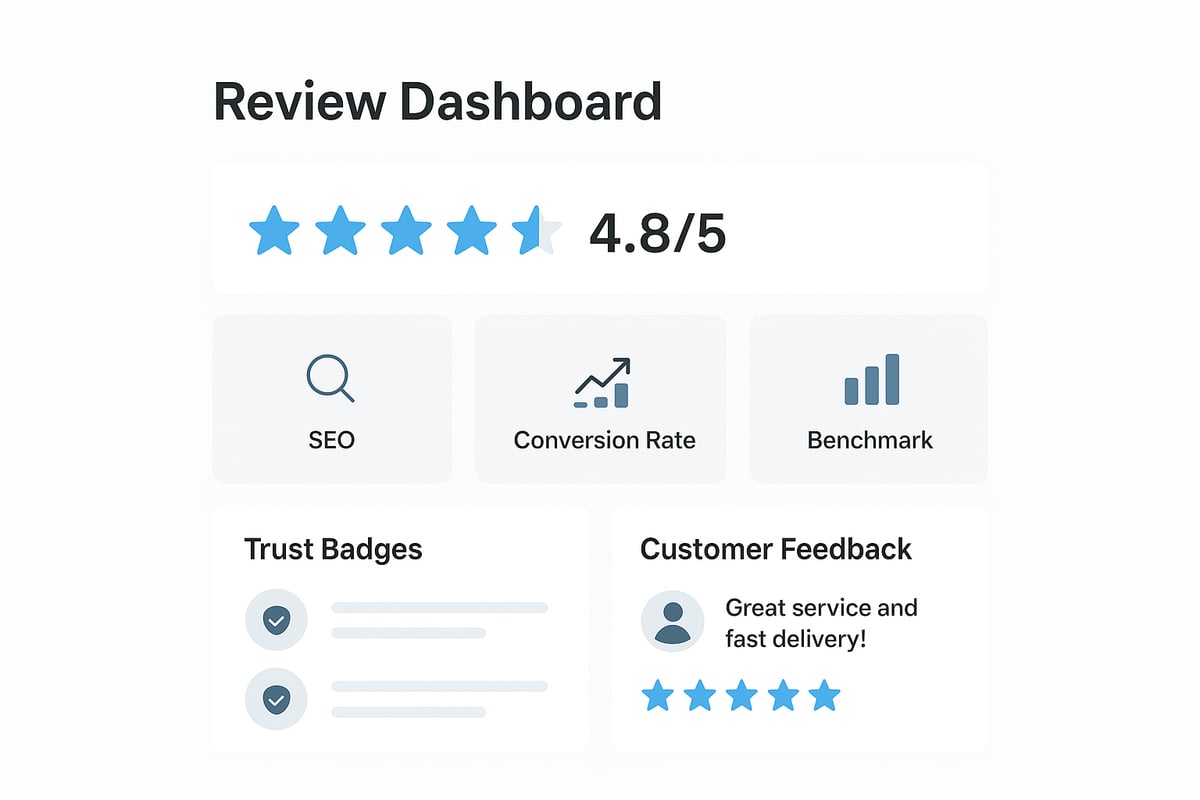
A strong Trustpilot rating directly impacts how potential customers perceive your business. Over 90% of consumers check online reviews before making a purchase, and many trust independent platforms more than brand-owned testimonials. According to recent statistics on the impact of online reviews on consumer behavior, brands with ratings above 4.5 stars experience significantly higher conversion rates.
For example, Apple’s 4.8 Trustpilot rating has contributed to increased app downloads and customer loyalty. High scores provide reassurance, while low scores can deter even the most interested buyers. The trustpilot rating acts as a digital word-of-mouth, guiding decisions in sectors from retail to finance.
SEO and Online Visibility Benefits
Your trustpilot rating also plays a crucial role in search engine optimization. Search engines like Google consider third-party review signals when ranking businesses, especially for local results. Positive ratings can lead to rich snippets, which display stars directly in search listings and attract more clicks.
In addition, reviews enhance your brand’s authority and relevance. A steady stream of positive feedback can improve your visibility and help you stand out in crowded markets. Integrating your trustpilot rating into your website and local profiles supports a robust reputation management strategy.
Competitive Benchmarking
Using trustpilot rating as a benchmarking tool allows you to compare your performance with industry peers. Many retailers and service providers regularly track their TrustScore against competitors to identify strengths and areas for improvement. This data is invaluable for marketing managers and entrepreneurs seeking to refine their positioning.
For instance, a consistent 4.2 rating might be average in one sector but exceptional in another. By monitoring competitor scores, businesses can set realistic targets and celebrate progress. Trustpilot rating offers actionable insights that drive strategy and foster continuous growth.
How to Interpret Trustpilot Scores Accurately
Understanding your trustpilot rating is crucial for making informed decisions about your brand’s online reputation. A single number does not tell the full story, so it is important to dig deeper into what the score means, how to analyze reviews, and how to spot anomalies.
What a High or Low Score Really Means
The trustpilot rating scale ranges from 1 to 5 stars, but context matters. For example, a 4.0 score might be outstanding in logistics, while in luxury retail, customers expect closer to 4.5 or higher. Always compare your trustpilot rating with industry benchmarks and company size before drawing conclusions.
Volume is just as important as the average. A business with 2,000 reviews and a 4.2 trustpilot rating is often viewed as more reliable than one with only 10 reviews at 4.8. According to Consumer trust in online reviews, most buyers trust ratings more when the sample size is substantial.
Reading Between the Lines: Qualitative Insights
Numbers are only part of the trustpilot rating equation. Read individual reviews to identify recurring themes, such as product quality or customer service. Recent reviews often reflect your current performance more accurately than older feedback.
Look for patterns: are there repeated mentions of delayed shipping or excellent support? Use these insights to drive operational improvements. A steady stream of positive reviews signals consistent satisfaction, which strengthens your trustpilot rating over time.
Spotting Red Flags and Anomalies
A sudden spike or drop in your trustpilot rating can signal issues worth investigating. For instance, a cluster of negative reviews in a short period may indicate a service disruption or even targeted spam.
Trustpilot flags suspicious activity, but you should remain vigilant. Fake reviews often have vague language or identical phrasing. Monitor for profiles with a high number of reviews posted in a single day, as this could indicate manipulation.
Responding to Reviews: Building Trust
How you handle feedback is just as vital as the trustpilot rating itself. Publicly responding to both positive and negative reviews demonstrates transparency and accountability. Address concerns promptly, thank customers for their input, and outline steps you are taking to resolve issues.
Proactive engagement can turn critics into advocates and reassure potential buyers that you value their experience. Over time, this approach helps strengthen your trustpilot rating and builds lasting customer trust.
Step-by-Step: How Companies Can Improve Their Trustpilot Rating
Improving your trustpilot rating in 2025 is a strategic process that requires attention to detail and a proactive approach. Below is a proven, actionable framework to help your business build a stronger reputation and foster lasting consumer trust.
1. Encourage Authentic Customer Reviews
A healthy trustpilot rating begins with authentic customer feedback. Invite customers to leave reviews soon after purchase or service, making the process seamless and accessible. Use automated email prompts or in-app reminders to boost participation. Timing is essential—request reviews while the experience is fresh in customers' minds.
For practical tips on increasing review volume and quality, explore how to collect Trustpilot reviews. Regular, genuine input not only enhances your trustpilot rating but also signals transparency and reliability to potential buyers.
2. Monitor and Respond to Feedback
Actively monitoring your trustpilot rating is vital for reputation management. Set up alerts for new reviews, allowing you to stay informed and respond quickly. Acknowledge both praise and criticism, demonstrating that your company values customer input.
Responding promptly creates a positive impression and can transform a negative experience into a loyal relationship. Aim for concise, professional replies that address specific concerns and thank customers for their time.
3. Address Negative Feedback Promptly
Negative reviews can impact your trustpilot rating, but they also offer opportunities for improvement. Contact dissatisfied customers privately to resolve issues before they escalate. Analyze recurring complaints to identify areas where operational changes are needed.
For actionable approaches to handling criticism, refer to managing negative review responses. Turning detractors into advocates not only repairs relationships but also strengthens your company’s public image.
4. Ensure Compliance with Trustpilot Guidelines
Maintaining a positive trustpilot rating means following Trustpilot’s rules. Avoid incentivizing reviews or soliciting fake feedback, as violations can lead to penalties or suspension. Educate your staff about review policies to ensure all outreach is ethical and compliant.
Regularly review Trustpilot’s guidelines, keeping up with any updates. Transparent, honest practices reinforce your business’s integrity and help safeguard your trustpilot rating.
5. Leverage Insights for Continuous Improvement
Use analytics from your trustpilot rating to identify strengths and areas for growth. Conduct monthly audits to spot patterns in customer feedback. Train your team regularly in customer service best practices, and implement changes based on review insights.
A data-driven approach allows you to continuously refine your processes, boosting satisfaction and, ultimately, your trustpilot rating. Consistency and adaptability are key to long-term reputation management.
How Review Management Platforms Like Inflate Amplify Trustpilot Success
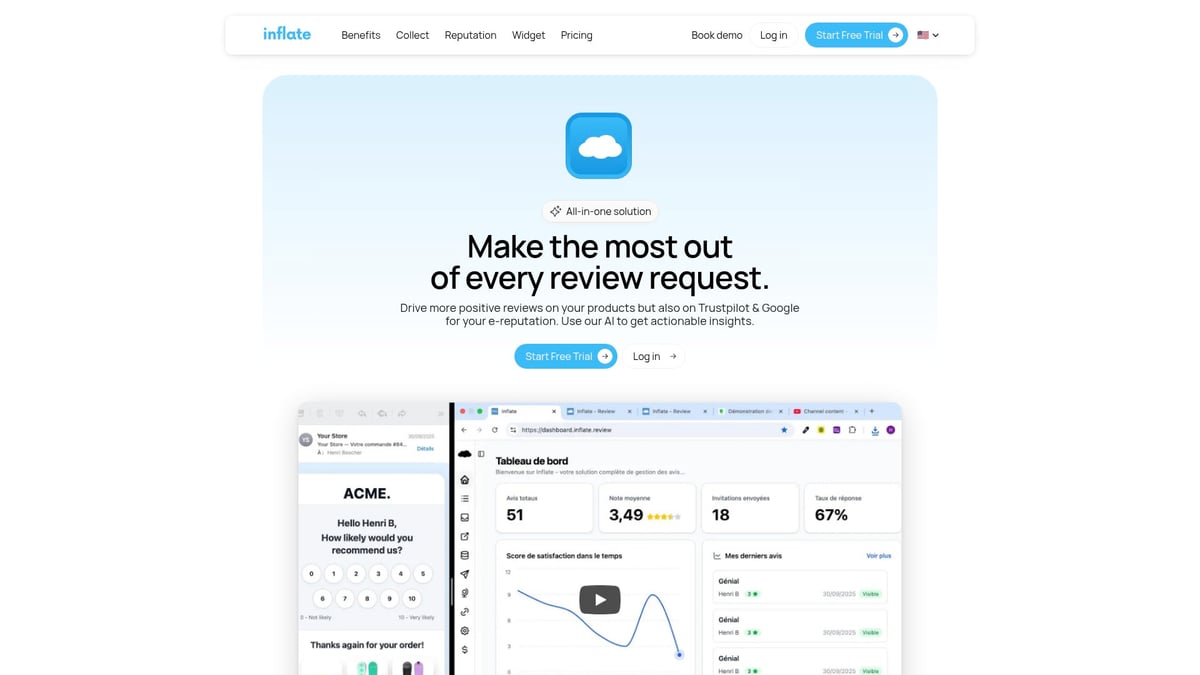
Unified platforms streamline the collection, analysis, and display of Trustpilot reviews. With centralized dashboards, AI-driven insights, and customizable widgets, these tools help businesses protect and enhance their trustpilot rating, making reputation management efficient and effective.
Common Mistakes to Avoid with Trustpilot Ratings
Maintaining a strong trustpilot rating is crucial, but many businesses fall into avoidable traps that can damage their online reputation. Understanding these pitfalls is key to building lasting credibility and customer trust.
Common mistakes businesses make with their trustpilot rating:
Relying solely on star ratings: Focusing only on the numerical score leads to missed insights. Written reviews often contain valuable feedback on service, product quality, or recurring issues. According to online review statistics and trends, consumers read both scores and comments before making decisions.
Ignoring negative reviews: Not responding to complaints can signal a lack of care. Prompt engagement is essential for showing customers you value their input and are committed to improvement.
Trying to game the system: Soliciting fake or incentivized reviews violates guidelines and risks account suspension. Trustpilot's detection measures are robust, and violations can result in public penalties and a damaged trustpilot rating.
Neglecting fraud monitoring: Unchecked spam, fraudulent activity, or sudden rating changes can undermine credibility. Regularly review alerts and flagged content to protect your profile integrity.
Failing to adapt to feedback: Businesses that overlook actionable review insights miss opportunities for operational improvement and customer satisfaction.
Not training staff: Employees unaware of the importance of online reputation may mishandle customer interactions, leading to more negative feedback.
Transparency, authenticity, and ongoing management are essential for sustaining a positive trustpilot rating. Avoid shortcuts, engage with every review, and use feedback to drive continuous improvement.
Now that you understand how Trustpilot ratings shape your online reputation in 2025, you might be wondering how to put these insights into action for your own business. If you want to efficiently gather authentic reviews, boost your TrustScore, and showcase your best feedback with ease, it’s worth seeing how a unified platform like Inflate can help. By centralizing review requests, leveraging AI-driven analytics, and protecting your reputation, you can turn every customer interaction into an opportunity for growth. Ready to see how this works in practice?
Book a demo


Keep exploring our blog
Actionable articles, case studies, and playbooks to turn ideas into results.





Load More
