7 Essential How to Personalize Email Tips for 2025
October 25, 2025
Email marketing in 2025 is more competitive than ever, with crowded inboxes making it tough to stand out. Brands that know how to personalize email are seeing much higher open and conversion rates.
Today, personalized email means more than just using a name. It’s about delivering relevant content tailored to interests and behaviors.
This article shares seven essential tips for how to personalize email, with proven strategies, tools, and examples. Ready to boost your results? Dive in and transform your email campaigns for 2025.
Why Personalization Matters in 2025
Consumer expectations for digital communication have never been higher. In 2025, people demand brands deliver relevant, timely content that feels tailored to their unique needs. This shift makes mastering how to personalize email a top priority for marketers seeking to stand out in crowded inboxes.
Personalized emails are proven to outperform generic campaigns. Emails with personalized subject lines are 26% more likely to be opened, according to Campaign Monitor. Experian reports that such targeted messaging drives six times higher transaction rates. Leading brands now use dynamic content, behavioral triggers, and intelligent segmentation to deliver these results at scale.
AI and automation are the engines behind this evolution, enabling marketers to segment audiences, predict behaviors, and automate personalized journeys for thousands of recipients. Ignoring how to personalize email risks lower engagement, more unsubscribes, and lost revenue opportunities.
For those seeking actionable strategies and industry best practices, Email Personalization Best Practices for 2025 offers valuable insights on staying ahead. In 2025, effective personalization is not just an advantage, it is a necessity for brands determined to achieve measurable results.
7 Essential How to Personalize Email Tips for 2025
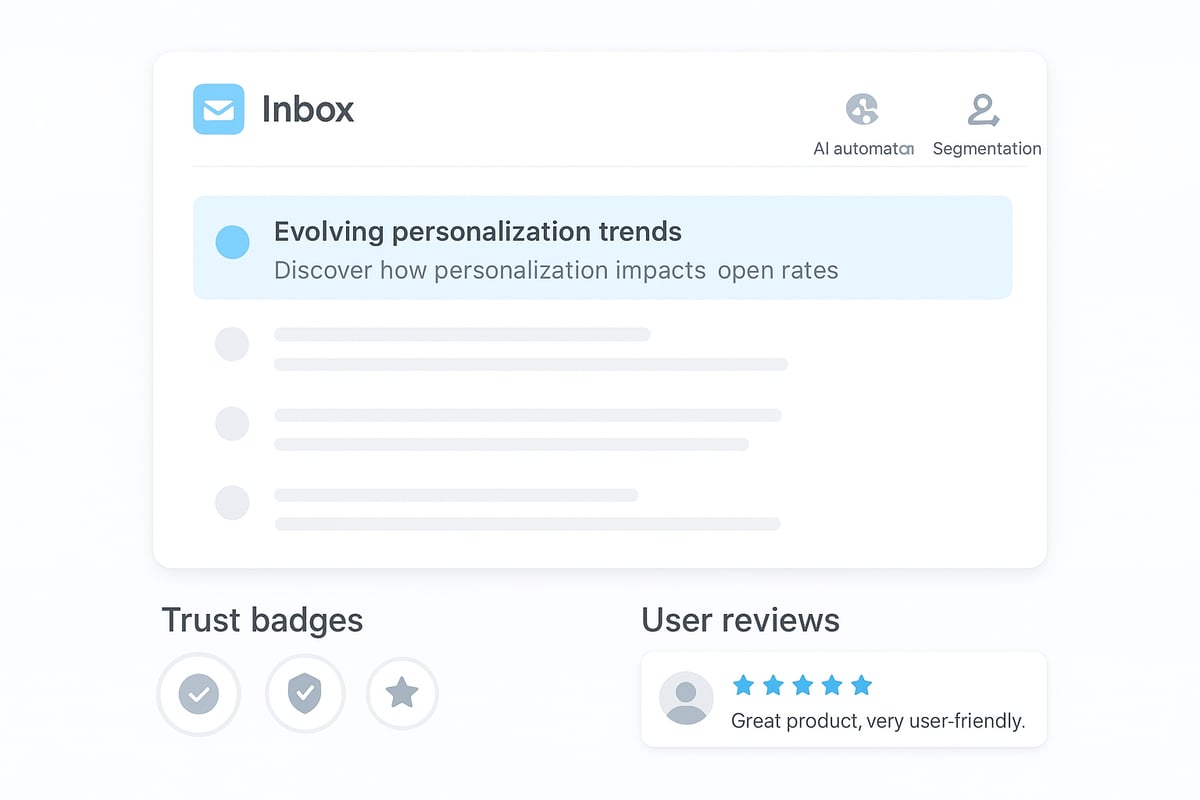
Personalization is the secret weapon for marketers looking to boost email open and conversion rates in 2025. If you're wondering how to personalize email campaigns for maximum impact, this list delivers actionable strategies, proven tools, and real-world examples. Let’s dive into the seven essential tactics you need to master.
1. [Leverage Dynamic Content Blocks]
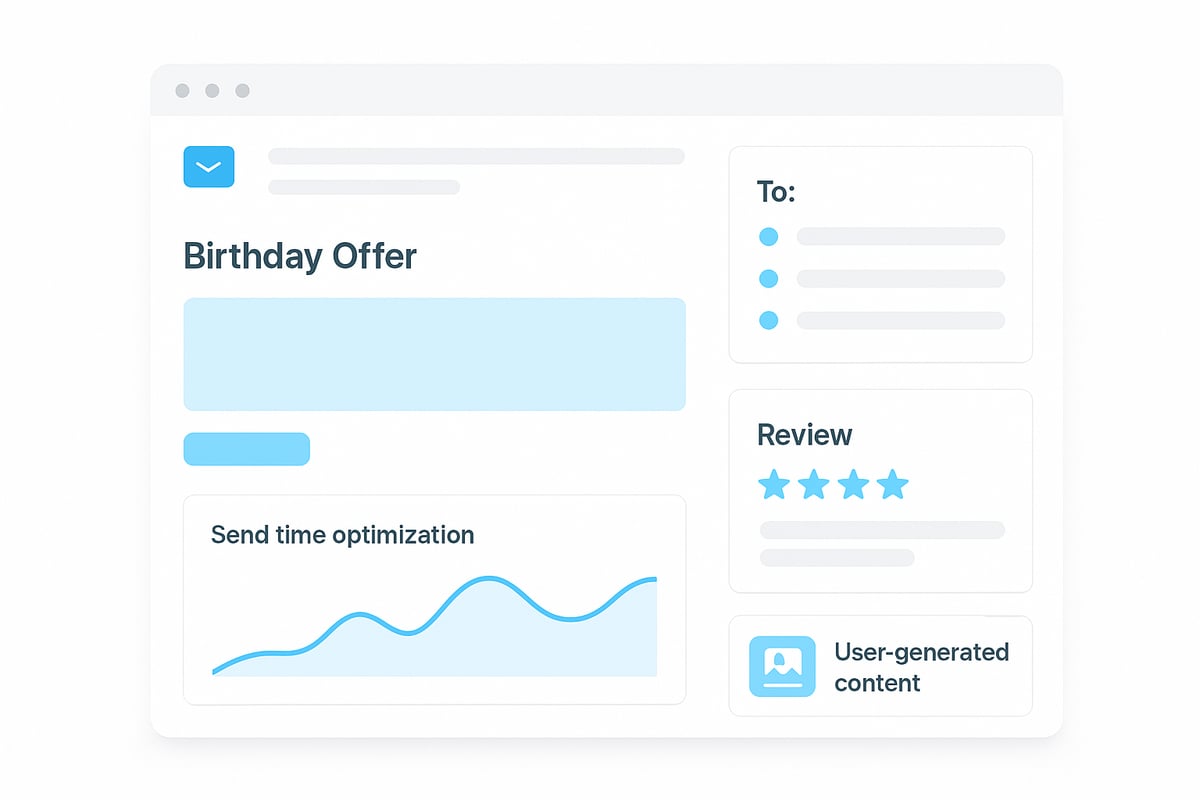
Dynamic content blocks allow you to tailor parts of your email to each recipient’s preferences or behaviors. For example, an e-commerce brand can display different product recommendations based on browsing history, making every message feel one-of-a-kind.
Popular platforms like Mailchimp, ActiveCampaign, and HubSpot make this approach accessible. According to Litmus, 74% of marketers say dynamic content improves engagement. To maximize results, test various content variations and segment audiences by interests. This is a foundational step in how to personalize email for relevance and ROI.
2. [Go Beyond First Name Personalization]
Personalization is more than just using someone’s name. Modern consumers expect brands to remember their interests, purchase history, and even important life events. Imagine sending a special discount on a customer’s birthday or recommending products based on recent purchases.
Tools such as Klaviyo and Salesforce Marketing Cloud excel in this area. Accenture reports that 60% of consumers are more likely to buy from brands that remember their preferences. Just be sure to avoid crossing the line into intrusive territory when deciding how to personalize email content.
3. [Segment Your Audience Intelligently]
Effective segmentation is at the heart of how to personalize email for different groups. Divide your list by demographics, behaviors, or lifecycle stages. For instance, target new subscribers with a welcome series, while engaging loyal customers with exclusive offers.
Platforms like ConvertKit, MailerLite, and GetResponse streamline segmentation. Campaign Monitor found that segmented campaigns can generate up to 760% more revenue. Regularly update your segments and use automation to trigger tailored messages for each group.
4. [Personalize Send Times for Maximum Impact]
Timing can make or break your email campaign. Analyze recipient behavior to determine when each person is most likely to open emails. For example, professionals may engage early in the morning, while parents might check emails in the evening.
Sendinblue, Moosend, and Iterable offer AI-powered send time optimization features. Litmus reports that personalized send times can boost open rates by up to 23%. When considering how to personalize email delivery, let data guide your strategy for maximum engagement.
5. [Use Behavioral Triggers to Automate Personalization]
Behavioral triggers enable you to send automated emails based on actions like cart abandonment, browsing, or downloads. A classic example is an abandoned cart email that includes product images and a unique incentive.
Platforms such as Omnisend, Drip, and Mailchimp make it easy to implement triggered campaigns. GetResponse found that triggered emails have a 70.5% higher open rate than mass campaigns. Always personalize content within these triggers to increase conversions and demonstrate you understand how to personalize email based on real-time actions.
6. [Incorporate User-Generated Content and Social Proof]
Showcasing user-generated content (UGC) in your emails builds trust and authenticity. Include recent reviews, ratings, or photos from real customers—especially for products a recipient has viewed. Tools like Yotpo, Bazaarvoice, and Trustpilot integrate easily to automate this process.
Adweek reports emails with UGC enjoy a 43% higher click-through rate. To learn more about the value of UGC, check out User-Generated Content Benefits. Including social proof is a smart way to personalize email content and drive engagement.
7. [Continuously Test and Optimize Personalization Strategies]
The landscape of how to personalize email is always evolving. Run A/B tests on subject lines, content, CTAs, and personalization tactics. For example, test personalized product recommendations against generic offers to see what resonates.
Litmus, Optimizely, and VWO are top tools for testing. HubSpot found that companies running regular personalization tests see double the conversion rates. Analyze your results frequently, iterate based on data, and never stop refining your approach.
Recommended Tools for Email Personalization
Choosing the right tools is crucial when exploring how to personalize email campaigns for maximum impact. Today’s platforms empower marketers to automate, segment, and tailor every message, making personalization scalable and effective.
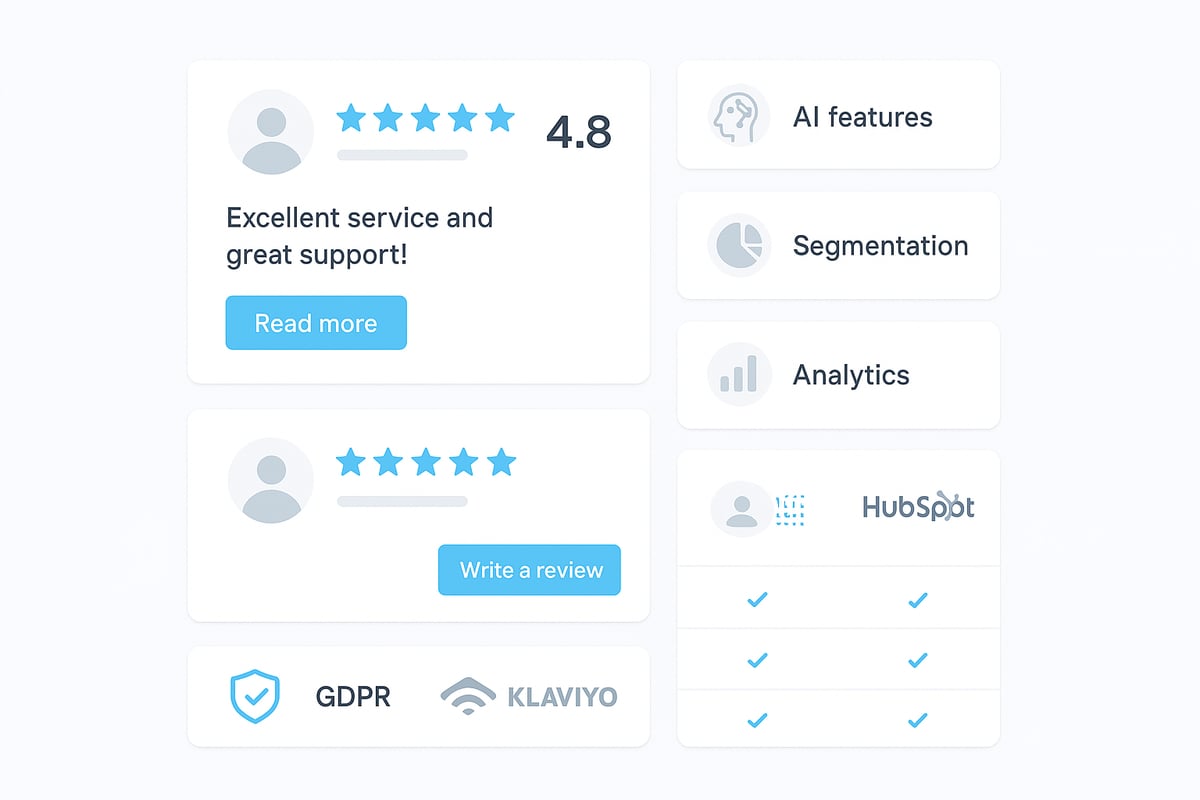
Below is a quick comparison of top platforms for how to personalize email effectively:
Tool | Key Feature | Personalization Type | GDPR Compliance | Scalability |
|---|---|---|---|---|
Mailchimp | Dynamic Content Blocks | Rule-Based, AI | Yes | High |
Klaviyo | Behavioral Triggers | AI-Driven | Yes | High |
HubSpot | Advanced Segmentation | Rule-Based, AI | Yes | High |
AI-driven tools like Klaviyo and HubSpot enable real-time adaptation and predictive personalization, while rule-based options such as Mailchimp excel at dynamic content and segment management. Businesses should weigh integration with e-commerce, analytics capabilities, and user-friendliness when deciding how to personalize email for their audience.
Privacy is a non-negotiable factor. Ensure your chosen platform offers robust GDPR compliance and transparent data handling. As AI and machine learning become standard, expect hyper-personalization and real-time content to set brands apart. For a deeper dive into these trends, explore this guide on AI-Powered Personalization and Automation.
Selecting the best tool depends on your business size, marketing goals, and the depth of personalization needed. Always test and measure results to refine your approach.
The Future of Email Personalization: Trends to Watch in 2025
The future of how to personalize email is rapidly evolving as technology and consumer preferences shift. Brands are moving toward hyper-personalization, using AI and predictive analytics to deliver content that feels uniquely tailored to each recipient.
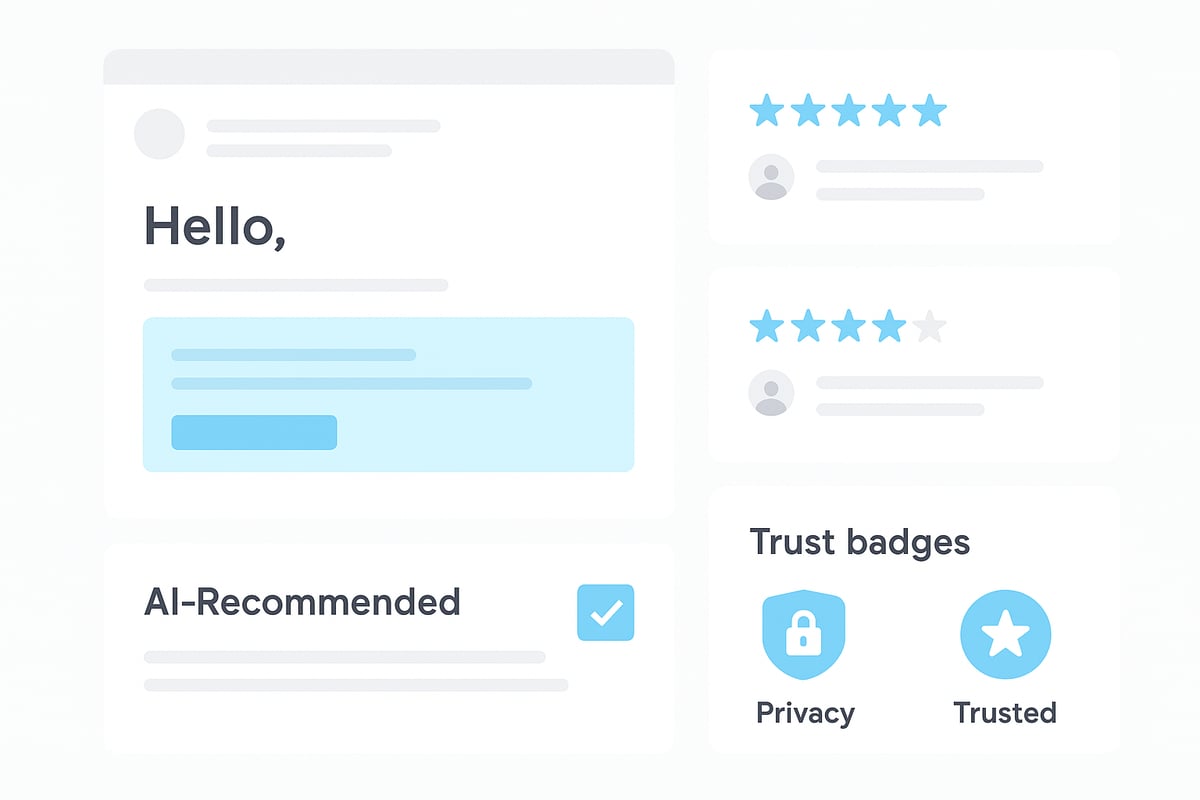
AI now enables real-time data integration so emails can instantly adapt to user actions or preferences. Interactive and AMP emails are becoming standard, letting users shop, review, or respond directly within the inbox.
Privacy-first personalization is a growing focus. Marketers must balance delivering relevant experiences with strict data protection, ensuring compliance while maintaining trust. Omnichannel strategies are also on the rise, connecting personalized messaging across email, SMS, and social platforms for a seamless user journey.
To keep pace with these shifts, it is essential to stay informed about emerging trends and best practices. Explore more on Personalized Emails in 2025: Trends & Best Practices for a deeper dive into the future of email personalization. Ongoing adaptability will be your key to sustained email marketing success.
As you can see, mastering email personalization for 2025 is about more than just using a customer’s name—it’s about building trust, leveraging smart automation, and making every interaction feel tailored and genuine. If you’re ready to put these strategies into action and want to see how you can turn personalized review requests into real revenue, I invite you to take the next step. Let’s explore how Inflate can help you drive results, boost your online reputation, and make your emails truly stand out. Ready to see it in action? Book a demo and discover what’s possible for your business.


Keep exploring our blog
Actionable articles, case studies, and playbooks to turn ideas into results.




Load More
